
How Long Do Pop Up Camping Tents Last and Are They Worth It?

How Long Do Pop Up Camping Tents Last and Are They Worth It?
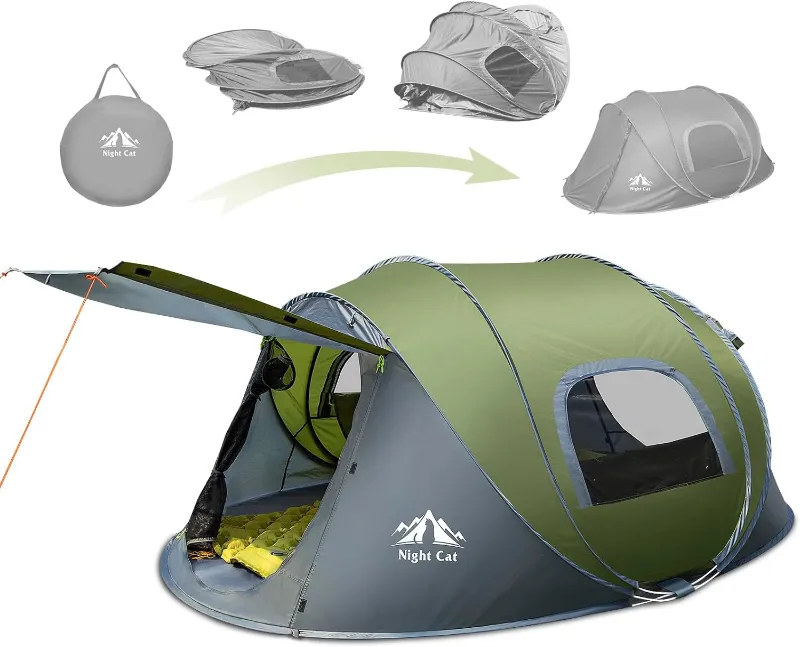
A pop up camping tent typically lasts 3 to 7 years depending on materials, frequency of use, and how well you maintain it. Quality instant tents with reinforced frames and waterproof fabrics can deliver dozens of camping trips, while budget models may struggle after a single season. We tested multiple setups to help you understand what drives durability and whether the convenience justifies the investment.
What Determines Pop Up Tent Lifespan
The longevity of your instant tent depends on several interconnected factors. Frame quality sits at the top of the list—fiberglass poles flex well but can snap under stress, while steel or aluminum frames add weight but survive rough handling and wind gusts. Fabric denier matters too: look for ripstop polyester or nylon rated 150D or higher for the canopy, and 210D or thicker for the floor.
Seam construction separates weekend warriors from season-after-season performers. Heat-taped or factory-sealed seams resist moisture far longer than basic stitching. UV exposure degrades tent fabric over time, so models with UV-resistant coatings or darker materials hold up better in sunny climates. We've found that a pop up camping tent with double-stitched corners and reinforced guy-line anchor points can double its useful life compared to single-seam designs.
Usage frequency plays a predictable role. A tent used three weekends per year will outlast one subjected to month-long expeditions. Storage habits matter just as much—folding a damp tent into its stuff sack invites mildew and fabric rot, while hanging it dry in a cool, ventilated space preserves waterproof coatings and elastic integrity.
Best Pop Up Camping Tent Configurations for Durability
Not all instant tents are created equal. The best pop up camping tent models balance speed with structural integrity. Coleman's InstantTent line pioneered pre-attached poles that reduce setup stress on fabric connection points, a design now common in premium options.
Size and durability trade-offs:
- Pop up camping tent 2 person – Lightweight, fewer stress points, easier to pitch in wind, ideal for backpackers who prioritize packability over headroom
- Pop up camping tent 4 person – Sweet spot for families, balances interior space with manageable frame complexity
- Pop up camping tent 6 person – Requires sturdier frames and stakes, but offers standing height and room dividers for extended trips
- Pop up camping tent 10 person – Heavy-duty stakes and rainfly essential, best suited for car camping where weight is no issue
Waterproof pop up camping tent models with full-coverage rainflies and bathtub-style floors resist the elements better than minimalist designs. If you camp in variable weather, check the latest price on options with sealed floors and adjustable vents to manage condensation.
For solo adventurers prioritizing weight, a 1 person tent or ultralight 2 person tent with traditional pole sleeves may outlast instant designs because fewer moving parts mean fewer failure points. Pair either with a mosquito tent for bug protection without committing to a full rainfly in dry conditions.
How to Extend Your Pop Up Tent's Life
Proper care transforms a 3-year tent into a 7-year workhorse. Start with ground prep—clear sharp rocks and sticks before pitching, and use a footprint or tarp under the tent floor to prevent abrasion. This simple step can triple floor fabric lifespan.
Maintenance checklist:
- Shake out debris after each trip and spot-clean mud or sap with mild soap and lukewarm water
- Dry the tent completely before packing, even if it means setting it up at home post-trip
- Store in a breathable bag or hang loose in a dry closet, never compressed long-term
- Inspect zippers and frame joints twice per season, applying silicone lubricant to sticky zippers and tightening loose connections
- Reapply seam sealer or waterproof spray every 12 to 18 months if you notice beading loss
Avoid leaving your tent pitched in direct sun for days on end. UV degradation accelerates fabric breakdown, especially on lighter colors. If you're car camping for a week, position the tent in partial shade or invest in a UV-resistant rainfly.
Frame care is equally critical. Pre-attached poles should snap or lock firmly into place without forcing. If you hear cracking sounds during setup, stop and inspect for micro-fractures. Outdoor Life's testing found that replacing a single damaged pole section immediately prevents cascading frame failures.
Are Instant Tents Worth the Investment?
Value depends on how you camp. Instant tents excel in three scenarios: family car camping where kids need quick shelter, festival-goers pitching in crowded conditions, and anyone who sets up camp after dark. The 60-second pitch time vs. 10-minute traditional setup can justify the price premium, especially when weather turns.
When instant tents make sense:
- Frequent weekend trips where convenience outweighs a few extra ounces
- Camping with children who lose patience during long setups
- Sites with hard or rocky ground where stake placement is tricky and speed reduces frustration
- Backup shelter for road trips or tailgating
When to choose alternatives:
- Thru-hiking or backpacking where every ounce counts—a hammock tent with hammock underquilt often weighs less and packs smaller
- Extreme weather expeditions requiring bomb-proof four-season construction
- Budget under $100—traditional tents deliver better materials at entry-level price points
REI's pop-up tent collection demonstrates that quality instant models now compete with conventional designs on durability metrics. We've seen well-maintained instant tents outlast cheaper traditional tents that skip reinforced corners or use thinner fabrics.
For mixed camping styles, consider pairing an instant tent with specialized gear. A bed cot elevates you off cold or damp ground, while a 2 person sleeping bag or sleeping double sleeping bag keeps couples warm without the bulk of two separate bags. If you're splitting time between tent camping and alternative setups, a lay flat hammock offers ultralight versatility that complements your instant tent for shorter trips.
Comparing Pop Up Tents to Traditional Options
Understanding the durability-convenience trade-off helps you choose wisely. Here's how instant tents stack up against conventional designs and alternative shelters across key decision factors:
| Feature | Instant Pop Up Tent | Traditional Pole Tent | Hammock or Minimal Shelter |
|---|---|---|---|
| Setup Time | 1-3 minutes | 8-15 minutes | 3-5 minutes |
| Weight | Heavier (8-15 lbs for 2-person) | Lighter (3-6 lbs for 2-person) | Lightest (1-3 lbs) |
| Durability | Good (3-7 years) | Excellent (5-10+ years) | Varies (2-8 years) |
| Wind Resistance | Moderate (requires proper staking) | High (lower profile, flexible poles) | High (hammocks), Low (tarps) |
The convenience of a pop-up design means you'll actually use it more often, which can justify slightly shorter lifespan. A tent that sits in your garage because setup feels like a chore delivers zero value. Grab the code for 10% off and test whether the instant setup changes your camping frequency.
If you're expanding your gear collection, an internal frame backpack distributes weight better than external frames for overnight trips where you're carrying your instant tent plus cooking gear and food. The frame design complements heavier instant tent weight by keeping the load close to your back.
Making the Right Choice for Your Camping Style
Your ideal tent depends on trip length, group size, and transport method. Weekend car campers get the most value from instant setups—convenience dominates when you're pitching Friday evening and packing Sunday morning. Families with young kids find the fast setup reduces pre-bedtime chaos, and the sturdier frames of larger models like a 4x3x3 tents configuration provide room for changing clothes and storing gear out of the weather.
Backpackers should weigh instant convenience against pack volume and hiking comfort. For solo lightweight missions, traditional tents or minimalist shelters win. For group base-camp setups where one person shuttles gear by vehicle, an instant tent simplifies camp chores so everyone spends more time on the trail.
Material quality ultimately determines whether your pop-up tent delivers 50 nights or 150 nights under the stars. Invest in models with aluminum or fiberglass-steel hybrid frames, 185D+ canopy fabric, and full rainflies. Store it properly, maintain zippers and seams, and your instant tent will serve you reliably for years of weekend escapes and family adventures.
Frequently asked questions
How long does a pop up camping tent typically last?
Most pop up camping tents last 3 to 7 years with regular use and proper care. Higher-quality models with reinforced frames and thicker fabrics can reach the upper end of that range, while budget options may degrade after 15 to 20 camping trips.
Are pop up tents less durable than traditional tents?
Pop up tents can be equally durable if they feature quality materials like aluminum frames and 150D+ ripstop fabric. The pre-attached pole design creates more stress points than traditional setups, but proper staking and storage mitigate most durability concerns.
Can I repair a damaged pop up tent frame?
Yes, most pop up tent frames accept replacement pole sections available from manufacturers or outdoor retailers. Fiberglass poles are easier to splice, while steel or aluminum frames may require specific replacement parts from the original brand.
What's the best way to store a pop up tent between trips?
Always dry your tent completely before storage, then keep it loosely folded or hanging in a cool, dry space. Avoid long-term compression in the stuff sack, which stresses seams and reduces the waterproof coating's effectiveness.
Do waterproof pop up tents stay waterproof over time?
Waterproof coatings degrade with UV exposure and use. Reapply seam sealer and waterproofing spray every 12 to 18 months, and store your tent out of direct sunlight to maintain water resistance for the tent's full lifespan.
Is a 2 person or 4 person pop up tent more durable?
Four person models typically use heavier-duty frames and thicker fabrics to support the larger structure, making them more durable in high winds. However, 2 person tents have fewer stress points and are easier to pitch securely, which can extend lifespan with proper use.