
Dremel Tool vs Rotary Tool Kit: Which Do Resin Crafters Actually Need?

Dremel Tool Kit vs Rotary Tool: Which Do Resin Crafters Actually Need?
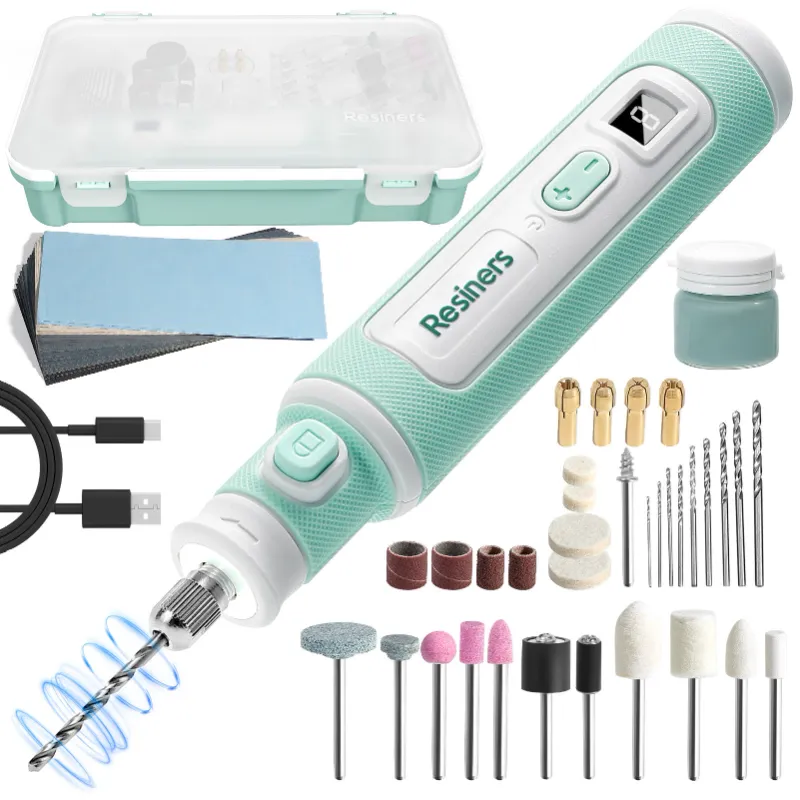
A dremel tool kit is the right choice for resin crafters who need variable speed control, fine sanding bits, and enough accessories to handle everything from smoothing cured epoxy resin edges to drilling drainage holes in silicone molds. A standalone rotary tool without a kit will leave you shopping for bits individually, which costs more and delays projects when you discover mid-task that you lack the right attachment.
We tested both approaches across dozens of resin projects to identify what actually matters when you're working with cured epoxy, mold maintenance, and embedded materials like pressed flowers or mica powder.
What Resin Work Actually Requires From a Rotary Tool
Resin crafters lean on rotary tools for post-cure tasks that other tools handle poorly. You need precision control for sanding without melting the epoxy, drilling without cracking, and engraving without overshooting your design lines.
The must-have features for resin work include:
- Variable speed 5,000 to 15,000 RPM – high speeds melt cured epoxy and create friction burns, while low speeds let you sand and buff without damage
- Ergonomic grip under 1 lb – you hold the tool at awkward angles to reach curved resin surfaces, so weight and balance matter
- Collet compatibility – standard 1/8-inch and 3/32-inch collets fit most sanding drums, diamond bits, and polishing wheels you will use
- Flex shaft or extension – essential for detailed work on coasters, jewelry, and anything smaller than your palm
Dremel rotary tools dominate the craft market because their speed dials offer finer increments than generic brands, and replacement parts remain available for years. That said, a quality kit from any manufacturer beats a bare tool if it includes the right accessories.
Dremel Tool Kit Accessories That Matter for Resin
Most rotary tool kits bundle 50 to 200 pieces, but resin crafters use fewer than a dozen attachments regularly. Prioritize kits that include these rather than chasing inflated accessory counts.
Sanding and smoothing bits:
- Sanding drums in 120, 220, and 400 grit for edge finishing
- Felt polishing wheels for final buffing
- Rubber polishing tips for curved surfaces
Drilling and cutting:
- Diamond-coated drill bits 1mm to 3mm for clean holes in cured resin
- Small cutting discs for trimming flash or separating stuck mold pieces
Specialty attachments:
- Engraving bits for adding texture or signatures before pouring
- Wire brush wheels for cleaning mold residue without scratching silicone
A dremel tool with a curated 30-piece kit often outperforms a 100-piece generic set because the bits match real use cases. We skip kits heavy on metal-cutting discs or large grinding stones since resin work demands finesse over power.
If you are comparing dremel tool kit cordless models, check whether the battery lasts through a full sanding session. Most cordless units run 20 to 40 minutes per charge, which covers two to three medium projects. Corded models eliminate battery anxiety but tether you to an outlet, which complicates work on a crafting table in the center of a room.
Cordless vs Corded for Resin Crafting
Cordless convenience appeals to crafters who rotate between a resin pouring station, a curing rack under a UV light bulb, and a finishing area. You grab the tool and move freely without managing a cord around wet epoxy resin or tangling in your desk pad.
The tradeoff is runtime and torque. Cordless models lose 10 to 15 percent of their power as the battery drains, which shows up as slower sanding on thick resin pours. If you are working with 3D printer resin prints or dense epoxy castings, corded power maintains consistent speed even during extended sessions.
Choose cordless if you:
- Work in multiple locations or lack nearby outlets
- Finish small pieces like jewelry, keychains, or coaster sets
- Value portability over maximum power
Choose corded if you:
- Sand large resin art panels, trays, or tabletops
- Run the tool for more than 30 minutes at a time
- Want consistent torque from start to finish
We keep both in our studio, but the corded model handles 80 percent of finishing work simply because we do not need to monitor charge levels or swap batteries mid-project. Check the latest price for both styles before deciding, since cordless kits often cost 40 to 60 percent more.
Comparing Rotary Tool Kit Brands for Resin Use
| Feature | Dremel | Generic Kits | Professional (DeWalt, Milwaukee) |
|---|---|---|---|
| Speed Control | Dial with 5–10 settings | Often on/off or 2-speed | Variable dial, some digital |
| Accessory Fit | Universal 1/8" standard | Varies, check collet size | Universal, premium collets |
| Price Range | Mid to high | Budget-friendly | Premium |
| Best For | Balanced performance, wide bit selection | Occasional use, tight budgets | Heavy production, job sites |
Dremel tool kit options dominate craft stores because their accessories integrate with the broader Dremel ecosystem. If you later add a flex shaft, engraving attachment, or right-angle adapter, compatibility is guaranteed. Generic kits save money upfront but may require adapter collars or custom fittings for third-party bits.
Professional rotary tool kits from brands known for job-site tools offer rugged housings and longer warranties, but they are engineered for construction trades rather than delicate resin work. A dremel tool kit Milwaukee or dewalt model will outlast hobby-grade tools, yet their larger grips and heavier motors make detail work on small resin pieces awkward.
For resin crafters, the sweet spot is a mid-range kit from Rotary tool specialists that includes fine-grit sanding drums, polishing compounds, and a flex shaft. Skip the metal cutting wheels and focus on accessories that touch cured epoxy without gouging it.
How to Use a Rotary Tool Kit With Epoxy Resin
Start every finishing session by securing your cured piece. Clamp larger resin art to your work surface or use a non-slip mat to prevent the piece from spinning when you apply the sanding drum. Wet your silicone molds before drilling vent holes so the bit does not catch and tear the silicone.
Step-by-step finishing process:
- Rough sand – use 120-grit drums at 8,000 to 10,000 RPM to remove obvious bumps, drips, or uneven edges
- Smooth sand – switch to 220-grit at the same speed to eliminate scratches from the rough pass
- Fine sand – finish with 400-grit drums at 6,000 RPM for a satin surface
- Polish – attach a felt wheel with polishing compound and run at 5,000 to 7,000 RPM until the resin glosses
Always sand in a well-ventilated area and wear a dust mask. Resin dust is fine and irritating, even after the epoxy has fully cured. We keep a small vacuum near the crafting table to capture debris as it forms.
If you are engraving designs into uncured resin or adding texture before pouring mica powder layers, reduce speed to 3,000 to 5,000 RPM. High speeds create friction heat that can start the curing process prematurely or warp thin mold walls.
Maintaining Your Rotary Tool for Long-Term Resin Projects
Epoxy resin residue gums up collets and clogs ventilation slots faster than wood or metal dust. After every session, wipe the tool housing with isopropyl alcohol and use a stiff brush to clear the vents. Pull the collet and check for resin buildup that can prevent bits from seating properly.
Store sanding drums and polishing wheels in a sealed container away from moisture. Felt wheels absorb humidity and lose their shape, while sanding drums exposed to damp air wear unevenly. Replace bits as soon as you notice reduced cutting efficiency – dull attachments force you to press harder, which increases the risk of cracking delicate resin pieces.
Cordless models benefit from partial discharge cycles. Run the battery down to 20 percent before recharging rather than topping off after every small task. This extends overall battery lifespan and maintains consistent torque output.
For current rotary tool kit pricing and to grab the code for 15% off your next order, visit our Resiners discount page. The savings cover several replacement sanding drums and polishing compounds, which you will cycle through faster than the tool itself.
Our Recommendation for Resin Crafters
Buy a complete dremel tool kit if you plan to finish more than a handful of resin pieces per month. The upfront investment pays off within weeks as you avoid piecemeal bit purchases and gain the flexibility to switch between sanding, drilling, and polishing without hunting for the right attachment.
Pair your rotary tool with a quality heat gun for bubble removal, a set of silicone molds in varied shapes, and a craft resin mica powder 30 colours pigment set to expand your creative options. Together, these tools form the core of a capable resin crafting setup that handles everything from simple coasters to complex multi-layer art pieces.
Frequently asked questions
What speed should I use on a dremel tool kit for sanding cured epoxy resin?
Use 8,000 to 10,000 RPM for rough sanding with 120-grit drums, then reduce to 6,000 RPM for fine 400-grit work. Lower speeds prevent friction heat that can melt or discolor cured resin.
Can I drill holes in silicone molds with a rotary tool?
Yes, use a small diamond-coated bit at 5,000 to 7,000 RPM and wet the mold first. This prevents the bit from catching and tearing the silicone while creating clean vent or drainage holes.
Do I need a cordless dremel tool kit for resin crafting?
Cordless models offer portability but sacrifice runtime and consistent torque. Choose corded if you finish large pieces or work for more than 30 minutes at a time, and cordless if you move between multiple work areas.
How do I stop resin dust from clogging my rotary tool?
Wipe the housing with isopropyl alcohol after each use and brush out the ventilation slots. Pull the collet periodically to remove resin buildup that prevents bits from seating properly.
What accessories matter most in a rotary tool kit for epoxy resin?
Prioritize sanding drums in 120, 220, and 400 grit, felt polishing wheels, and small diamond drill bits. These handle the majority of post-cure finishing tasks on resin pieces.