
How Long Does Clear Resin Take to Fully Cure?

How Long Does Clear Resin Take to Fully Cure?
Clear resin typically takes 24 to 72 hours to fully cure, though you can usually demold or handle your piece within 12 to 24 hours. The exact time depends on whether you're using epoxy resin, UV resin, or 3D printer resin, plus factors like temperature, layer thickness, and humidity. We've tested dozens of formulations across crafts and functional projects, and we'll walk you through what to expect with each type so you can plan your workflow and avoid soft, tacky finishes.
Epoxy Resin Cure Times for Crafts and Coatings
Most clear resin epoxy formulations reach a gel state in 4 to 6 hours, meaning the surface feels dry to the touch. At this stage you can carefully remove pieces from silicone molds if needed, but the resin hasn't reached full structural hardness. True cure happens over the next 48 to 72 hours as the chemical reaction completes.
Thicker pours take longer. A deep river table or layered casting may need up to a week to cure all the way through, especially if you're working in a cool room. Thin coatings on a desk pad or tabletop usually hit full hardness within 48 hours.
Temperature plays a huge role. Epoxy cures fastest between 75°F and 85°F. Below 70°F, the reaction slows dramatically and can leave you with a soft, sticky surface even after three days. If your workspace runs cold, use a heat gun on low to gently warm the resin during the first few hours, or set up a space heater nearby.
UV Resin and 3D Printer Resin Cure Much Faster
Clear resin UV formulations cure in seconds to minutes under a UV lamp or sunlight. We use these for small projects like jewelry, keychains with pressed flowers, and detail work where waiting 24 hours isn't practical. A thin layer typically hardens in 2 to 5 minutes under a UV light bulb or dedicated curing station.
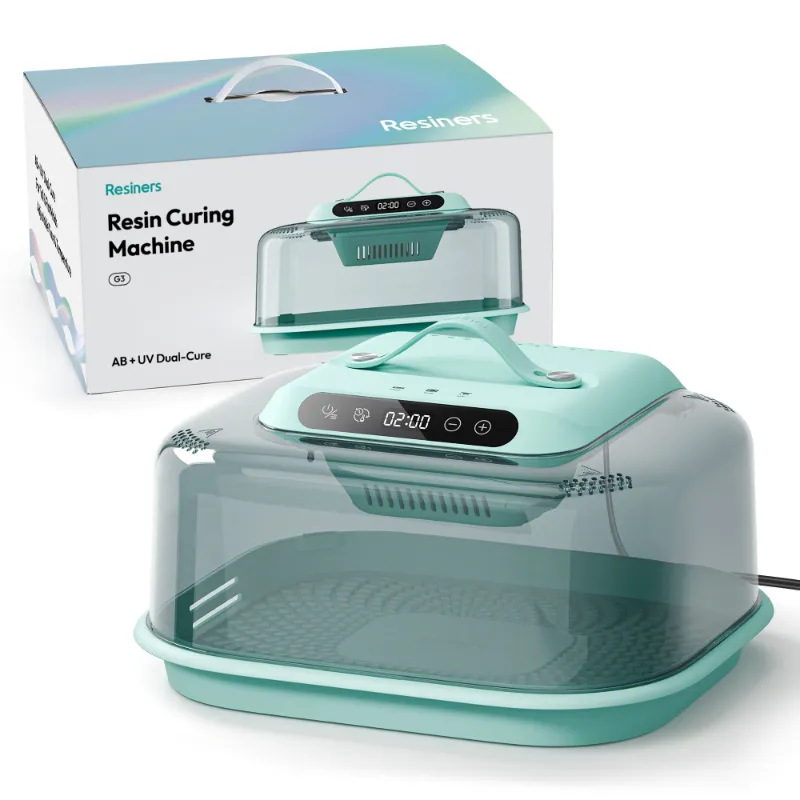
3D printer resin follows the same principle but often needs post-curing after printing. Most prints feel firm right out of the tank but require 10 to 30 minutes in a UV curing box to reach full mechanical strength and clarity. Clear resin 3D printer formulations can stay slightly tacky on the surface if undercured, so we always run a full post-cure cycle.
UV resin doesn't cure in shadow or through thick layers. Anything over 5 mm may stay liquid in the center even if the surface hardens. For deeper pours, build up thin layers and cure each one separately.
Factors That Speed Up or Slow Cure Time
| Factor | Effect on Cure Time |
|---|---|
| Temperature | Warmer (75-85°F) speeds cure; below 65°F can prevent full hardening |
| Humidity | High humidity (over 70%) can cause cloudiness and extend cure by hours |
| Layer thickness | Thin layers cure faster; thick pours generate heat and may need days |
| Mixing ratio | Off-ratio mixes (wrong resin-to-hardener) may never fully cure |
Always measure your resin and hardener by weight or volume using the manufacturer's exact ratio. Eyeballing it or adding extra hardener to speed things up usually backfires, leaving you with a soft or brittle finish.
Adding pigments like mica powder or the craft resin mica powder 30 colours pigment set doesn't significantly change cure time as long as you keep the pigment load under 6% by weight. Overloading with colorants or fillers can interfere with the chemical reaction.
How to Tell When Clear Resin Is Fully Cured
A fully cured piece feels hard to the nail and doesn't dent when you press firmly with your thumb. If you can still leave an impression or the surface feels slightly tacky, give it another 12 to 24 hours.
For clear resin for crafts or functional items, we test by pressing an inconspicuous edge with a fingernail. Epoxy that's only surface-cured will show a dent or feel spongy underneath. Fully cured resin resists indentation and produces a clear, hard click when tapped with a tool like a dremel tool.
Cloudiness or a greasy film often means the resin isn't done yet, especially with epoxy. Wipe the surface with isopropyl alcohol and wait another day. If the piece was demolded early and is bending or flexing, return it to a warm, dry spot and let it finish curing outside the mold.
Best Practices for Clear Resin Projects
Work on a dedicated crafting table in a climate-controlled space whenever possible. Garage or basement projects during winter often fail because temperatures drop overnight and stall the cure.
Pour epoxy in layers no thicker than half an inch if you're casting deep molds. Thicker layers generate exothermic heat that can crack the piece or cause yellowing. For river tables or large castings, wait 24 hours between pours.
Use fresh resin within the manufacturer's shelf life. Old or improperly stored epoxy may never fully harden, even if you follow all the steps correctly. Check our discount code page for current pricing on fresh stock and 15% off your order.
After demolding, let your piece rest at room temperature for at least 24 hours before sanding or drilling. If you jump in early with a dremel tool kit, the resin can gum up the bit or tear instead of cutting cleanly.
When to Use Each Type of Clear Resin
Choose clear resin epoxy for wood fills, tabletops, coasters, and any project where you need a thick, durable finish. The longer cure time is worth it for clarity and strength. We rely on epoxy resin for nearly all our large craft and functional projects.
Pick clear resin UV formulations for jewelry, small embeds, and quick repairs. The instant cure lets you stack layers and finish a project in an afternoon. UV resin works beautifully for encapsulating pressed flowers in pendants or keychains.
Clear resin for wood applications usually means epoxy, since UV resin doesn't penetrate porous surfaces as deeply. For finishing cutting boards or sealing live edges, epoxy provides the best bond and cure depth.
If you're printing miniatures or prototypes, 3D printer resin offers the best detail resolution. Just plan for that post-cure step under a UV light bulb to bring the part to full hardness.
Always grab the latest code before you stock up on supplies. We update pricing and bundles regularly, and the 15% discount makes it easy to try new formulations without breaking your budget.
Frequently asked questions
Can I speed up epoxy resin cure time with heat?
Yes, gentle heat from a space heater or heat gun on low can speed up cure by keeping the resin between 75°F and 85°F. Avoid direct high heat, which can cause bubbles or cracking.
Why is my clear resin still tacky after 48 hours?
Tackiness usually means the resin was mixed at the wrong ratio, cured in a cold or humid environment, or is old. Wipe with isopropyl alcohol and move it to a warm, dry spot for another 24 to 48 hours.
How long should I wait before sanding cured resin?
Wait at least 72 hours for epoxy resin to reach full hardness before sanding or drilling. Sanding too early can gum up sandpaper and leave scratches that won't polish out.
Does UV resin cure without a UV light?
UV resin will cure in direct sunlight but takes much longer than under a dedicated UV lamp. Indoors without UV exposure, it will stay liquid indefinitely.
Can I use 3D printer resin for casting molds?
Most 3D printer resin is designed for thin layers and may not cure properly in thick castings. Use epoxy resin for mold casting projects that require depth and clarity.
What happens if I demold epoxy resin too early?
Demolding before the resin reaches gel state can distort the shape or leave fingerprints. If demolded between 12 and 24 hours, handle carefully and let it finish curing on a flat surface.