
What to Look for When Buying Silicone Molds for Resin Casting

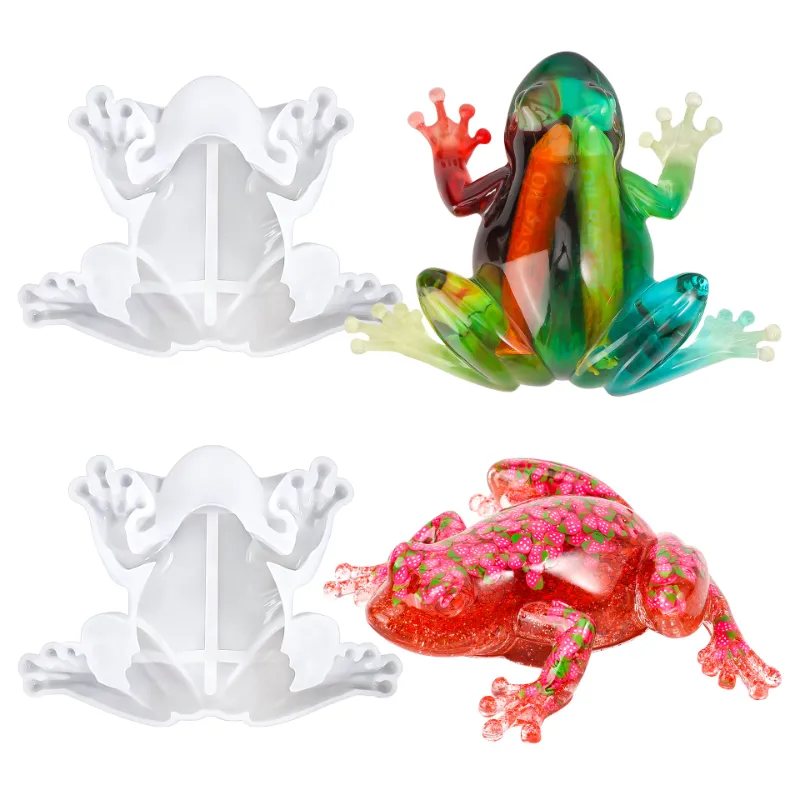
The best silicone molds for resin casting feature food-grade or platinum-cure silicone, smooth interior surfaces, and enough flexibility to release cured pieces without tearing. We've tested dozens of molds with epoxy resin and UV resin to identify the features that matter most, and in this guide we walk you through exactly what to check before you buy.
Material Grade and Safety for Resin Work
Not all silicone is created equal. Food-grade and platinum-cure silicone molds resist yellowing, withstand the heat generated during epoxy cure, and release cleanly after hundreds of pours. Tin-cure silicone is cheaper but degrades faster and may leave residue on your castings.
Look for molds labeled food-safe or BPA-free. These ratings indicate the silicone has been tested for stability and won't leach additives into your resin. If you plan to add mica powder or pressed flowers to transparent castings, a non-reactive mold surface keeps colors true and prevents clouding.
We recommend starting with a versatile set of silicone molds that includes coasters, jewelry blanks, and small decorative shapes. This lets you experiment with different resin viscosities and cure times before investing in specialty molds. For current pricing and to grab the code for 15% off, visit our store page.
Detail Reproduction and Surface Finish
The interior texture of your mold directly determines the final surface of your casting. High-quality silicone molds for resin have mirror-smooth interiors that produce glossy, bubble-free finishes straight out of the mold. Cheaper molds often show seam lines, pitting, or texture that telegraphs onto your piece.
Inspect molds for:
- Sharp edges and corners that won't round over after repeated use
- Deep undercuts that require flexible silicone to release without cracking the casting
- Smooth seams where mold halves meet, minimizing sanding work
- Consistent wall thickness to prevent warping under the weight of liquid resin
If you're casting fine jewelry or miniatures, detail reproduction is critical. Molds designed for 3D printer resin or UV resin typically offer sharper detail because those resins cure faster and shrink less than traditional epoxy.
Flexibility and Release Properties
A mold must flex enough to release your cured casting without tearing, but not so much that it distorts under the weight of liquid resin. Shore hardness between 20A and 40A strikes the best balance for most resin projects.
Silicone molds for crafts with thicker walls (4–6 mm) hold their shape better when you pour dense epoxy or add heavy inclusions like metal leaf or stones. Thin molds work fine for small, lightweight pieces but may buckle when filled with larger volumes.
To extend mold life:
- Apply a thin coat of mold release spray before each pour, especially with sticky resins
- Demold gently by rolling the mold away from the casting rather than pulling straight up
- Store molds flat and away from direct sunlight to prevent warping
- Clean with warm soapy water and dry completely before storage
If you need to trim flash or sand seams, a dremel tool with fine-grit bits gives you precision control without marring the glossy surface.
Size, Shape, and Project Versatility
Molds come in every size from tiny bezels to large silicone molds for trays and wall art. Match the mold size to your workspace and resin volume. A liter of epoxy will cover roughly ten coaster molds or thirty jewelry pieces, so plan your project scale around your available resin and curing space.
Consider these popular mold categories:
| Mold Type | Best For | Typical Resin Volume |
|---|---|---|
| Jewelry bezels | Pendants, earrings, rings | 5–15 ml per piece |
| Coaster molds | Drinkware, trivets, small trays | 50–80 ml per piece |
| Tray & dish molds | Organizers, decorative bowls | 150–400 ml per piece |
| Letter & number molds | Signage, keychains, tags | 10–30 ml per character |
Unique silicone molds like geodes, crystal clusters, or botanical shapes let you create statement pieces that stand out in a crowded market. If you sell your work, investing in distinctive shapes helps differentiate your brand.
Set up your resin workspace on a crafting table with a protective desk pad underneath. This keeps molds level during cure and makes cleanup easier if you spill uncured resin.
Heat Resistance and Resin Compatibility
Epoxy resin generates exothermic heat as it cures, sometimes reaching 150°F in thick pours. Your mold must withstand this heat without warping or releasing fumes. Platinum-cure silicone tolerates temperatures up to 450°F, while lower-grade rubber may soften at 200°F.
Check the manufacturer's specifications for maximum temperature and recommended resin types. Most molds work beautifully with standard epoxy resin, but if you're using fast-cure or high-heat formulas, verify compatibility before pouring.
For projects that require accelerated curing or surface smoothing, a heat gun helps pop bubbles and even out the resin surface. Keep the heat gun moving to avoid concentrating heat in one spot, which can distort the mold or cause the resin to flash-cure unevenly.
If you mix mica powder or a craft resin mica powder 30 colours pigment set into your resin, higher temperatures can intensify color shift and metallic effects. Test a small sample first to dial in your preferred look.
Durability and Cost Per Cast
Molds are an investment, and cost per casting matters if you produce work in volume. A $15 mold that lasts 200 pours costs $0.075 per casting, while a $5 mold that tears after 20 uses costs $0.25 per piece.
Premium molds justify their price through:
- Longer lifespan with proper care, often 300+ castings
- Consistent detail that doesn't degrade over time
- Easier demolding that saves time and reduces waste
- Better compatibility with a wider range of resin formulas
We regularly check the latest price on our recommended molds and update our affiliate links to reflect the best current value. For bulk buyers or production work, buying mold-making silicone and casting your own custom molds can reduce per-unit costs, though it requires upfront time and a learning curve.
When your castings do need finishing work, a dremel tool kit with sanding drums, polishing wheels, and cutting discs gives you everything you need to refine edges and drill holes for findings. According to The Container Store's silicone mold guide, proper mold selection reduces finishing time by up to 40% compared to using generic rubber molds.
What to Avoid When Shopping for Resin Molds
Skip molds marketed only for baking or candy unless they explicitly state resin compatibility. Silicone molds for baking are designed for lower temperatures and may not hold up to the chemical exposure and heat of curing epoxy. Similarly, silicone molds for candy often have thinner walls optimized for chocolate, which can warp under the weight of liquid resin.
Avoid molds with:
- Strong chemical odors that indicate low-grade silicone or fillers
- Visible seams or parting lines inside the cavity
- Packaging that doesn't list material grade or temperature rating
- Reviews mentioning tearing, sticking, or color transfer
If you're shopping silicone molds nearby at craft stores, inspect the mold in person before buying. Flex it gently to check for thin spots, hold it up to the light to spot imperfections, and read the packaging for resin compatibility.
For specialized applications like UV resin curing, pair your molds with a UV light bulb in a curing station to ensure even exposure and complete polymerization. UV resin requires transparent or translucent molds that allow light to penetrate from all angles.
Choose molds that match your skill level, project goals, and production volume, and you'll see the difference in every casting.
Frequently asked questions
Can I use silicone molds made for baking with epoxy resin?
Only if the baking mold explicitly states it's compatible with resin. Baking molds may not withstand the heat generated during epoxy cure and can warp or degrade after a few pours. Always check the temperature rating and material grade before using a baking mold for resin work.
How many times can I reuse a silicone mold for resin casting?
High-quality platinum-cure silicone molds typically last 200 to 400 castings with proper care. Lower-grade molds may tear or lose detail after 20 to 50 uses. Lifespan depends on resin type, demolding technique, and how you store the mold between pours.
Do I need mold release spray for silicone molds?
Most silicone molds release epoxy resin cleanly without spray, but a light coat of mold release extends mold life and makes demolding easier with sticky or fast-cure resins. It's especially helpful for molds with deep undercuts or intricate details.
What's the difference between food-grade and craft-grade silicone molds?
Food-grade silicone is tested for safety and stability, meaning it won't leach chemicals or degrade under heat. Craft-grade silicone may contain fillers that yellow over time or react with certain resin formulas. For best results with epoxy resin, choose food-grade or platinum-cure molds.
Can I repair a torn silicone mold?
Small tears can sometimes be patched with silicone adhesive or liquid silicone rubber, but repairs rarely restore the original surface quality. Prevention through gentle demolding and proper storage is more effective than trying to fix a damaged mold.
What mold size should I start with for resin jewelry?
Begin with small bezel molds in the 20–30 mm range for pendants and earrings. These require minimal resin per piece (5–15 ml), let you test color mixes and inclusions affordably, and cure quickly so you can iterate designs faster.