
How to Install Silica Sand Infill on Artificial Grass (Step-by-Step)

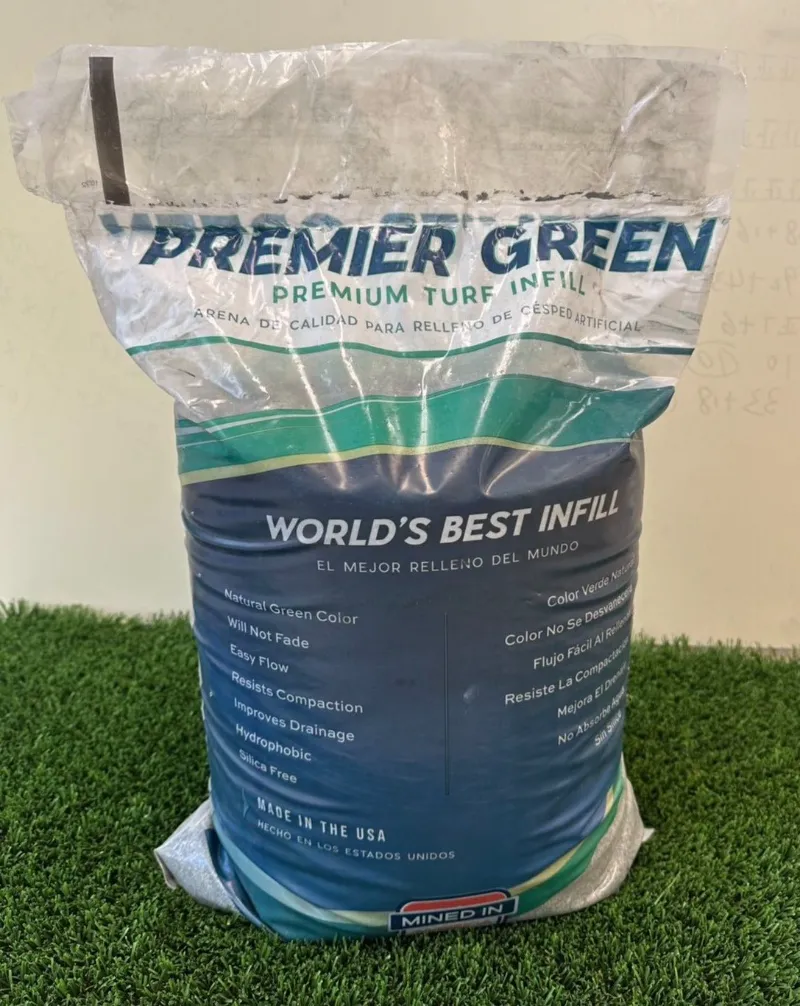
Why Install Artificial Grass Infill: Silica Sand 16 Grit
Artificial grass infill: silica sand 16 grit adds weight and stability to synthetic turf, helping blades stand upright while improving drainage and heat dissipation. Without infill, blades flatten over time, the turf looks matted, and foot traffic wears it down faster. We install artificial grass infill: silica sand 16 grit on residential lawns, play areas, and putting greens because the 16-grit size offers the ideal balance between firmness and natural feel underfoot.
Silica sand infill also locks seams in place, prevents wrinkles, and reduces static buildup. Infill materials have evolved from crumb rubber to antimicrobial coated sand, but washed silica remains the most cost-effective and durable choice for most installations.
Tools and Materials You Need
Gather everything before you start to avoid mid-project delays:
- Infill sand: silica sand for artificial turf or turf silica sand in 16-grit size (calculate 2 to 3 pounds per square foot for standard turf)
- Power broom or stiff push broom: to work sand into the fibers
- Drop spreader or broadcast spreader: for even distribution on larger areas
- Rake or leveling tool: to smooth high spots
- Leaf blower: optional, for final cleanup
- Garden hose with spray nozzle: to settle the infill
- Measuring tape and calculator: to estimate coverage
If you are installing over new turf, make sure the base is compacted and you have secured edges with artificial turf stakes or stakes for artificial grass. For putting green projects, you may prefer finer 30/50-grit material like tfd putting green silica sand infill 30/50 grit for a smoother roll.
Step-by-Step Installation Process
1. Prepare the Turf Surface
Sweep or blow off debris, leaves, and dust. Inspect seams and edges to confirm they are secure. If you notice lifting corners, add a few turf stakes to anchor them. Check that the turf lies flat without wrinkles or bubbles; infill will not fix underlying ripples.
For new installs, let the turf rest for 24 hours in direct sunlight so the backing relaxes and blades stand upright. This makes infill distribution easier and more effective.
2. Calculate How Much Infill You Need
Measure the turf area in square feet. Multiply by 2 to 3 pounds per square foot depending on pile height:
- Short pile (under 1.5 inches): 2 pounds per square foot
- Medium pile (1.5 to 2 inches): 2.5 pounds per square foot
- Tall pile (over 2 inches): 3 pounds per square foot
For example, a 500-square-foot lawn with 1.75-inch pile needs roughly 1,250 pounds of artificial turf silica sand. Buy an extra 10 percent to top off high-traffic zones later. Check the latest price on bulk bags to compare per-pound costs.
3. Spread the Infill Evenly
Pour infill into a drop spreader or broadcast spreader for large areas. For smaller patches or backyard projects, scatter by hand or with a garden scoop. Walk in overlapping passes to avoid bare strips.
Apply infill in two layers rather than dumping the full amount at once. Start with half the total weight, work it in, then add the second half. This prevents clumping and ensures even distribution down to the backing.
| Method | Best For | Speed |
|---|---|---|
| Drop spreader | Large, flat lawns | Fast |
| Hand scatter | Small areas, edges, seams | Slow |
| Broadcast spreader | Irregular shapes | Medium |
4. Brush the Infill Into the Turf
Use a power broom or stiff push broom to work the sand down into the blade base. Brush against the grain first to open up the fibers, then brush with the grain to stand blades upright. Repeat in multiple directions to ensure the infill reaches the backing.
For putting greens or artificial golf green surfaces, a carpet rake or turf groomer works better than a heavy power broom because it avoids crushing the blades. Move slowly and check coverage by lifting a corner of turf; you should see sand settled at the base, not piled on top.
5. Water the Infill to Settle It
Lightly spray the entire surface with a garden hose using a fine mist setting. Water helps the silica sand settle into gaps, compact slightly, and bond with the backing. Avoid heavy streams that wash sand toward edges or create channels.
Let the turf dry for a few hours, then brush again to lift any flattened blades. If you see thin spots, add a handful of silica sand for fake grass and brush it in.
6. Inspect and Top Off
Walk the turf and press down with your foot. The surface should feel firm but springy. If blades lie flat or you see backing through the fibers, add more infill in quarter-pound increments per square foot and brush thoroughly.
Check seams and edges where infill tends to migrate. Rake any excess back toward the center and redistribute. Grab the code to save on extra bags if you need to order more infill for touch-ups.
Choosing Between 16-Grit and Finer Infill
Standard artificial grass infill: silica sand 16 grit works for most residential and commercial turf because the coarser grain provides excellent drainage and blade support. Finer options like tfd putting green silica sand infill 30/50 grit create a softer surface and smoother ball roll, making them ideal for golf applications or synthetic putting greens.
We avoid mixing grit sizes in the same installation because coarse particles settle faster, creating uneven firmness. Stick with one product across the entire area for consistent performance.
For comparison, Turf Infill Silica Sand suppliers often stock both grades, and premium brands like Techniseal Grassmate offer antimicrobial coatings that reduce odor in pet areas.
Maintenance Tips After Installation
Brush infill monthly with a stiff broom to redistribute sand and keep blades upright. High-traffic paths near gates or play equipment may need a top-off every six months. Store extra bags in a dry location so you can add small amounts as needed.
Rinse the turf occasionally to remove dust and pollen, but avoid power washing, which can displace infill and damage fibers. If you notice sand migrating to edges, install heavy duty weed barrier fabric along borders to contain it.
For pet owners, silica sand infill helps with drainage and odor control, but we recommend rinsing waste areas weekly and adding a light top layer of zeolite or antimicrobial infill in those zones for extra odor absorption.
Who Should Use Silica Sand Infill
Silica sand infill suits homeowners, landscapers, and facility managers who want a low-maintenance, cost-effective turf solution. It works especially well for:
- Residential lawns with moderate foot traffic
- Dog runs and pet areas where drainage and odor control matter
- Playgrounds where a softer, shock-absorbing surface improves safety
- Commercial landscapes that need durability and easy upkeep
Avoid silica sand on athletic fields that require padded infill (like crumb rubber or coated polyethylene) for fall protection. For those applications, consult a sports turf specialist who can recommend infill rated for impact attenuation.
Frequently asked questions
How much silica sand infill do I need per square foot?
You need 2 to 3 pounds of silica sand per square foot, depending on pile height. Shorter turf uses closer to 2 pounds, while taller blades require up to 3 pounds for proper support.
Can I install artificial grass infill without a power broom?
Yes, a stiff push broom works for smaller areas. Brush against the grain first to open fibers, then with the grain to stand blades upright. A power broom saves time on large lawns.
What is the difference between 16-grit and 30/50-grit silica sand?
16-grit sand is coarser and provides firmer support with better drainage for general turf. 30/50-grit sand is finer, softer underfoot, and preferred for putting greens where smooth ball roll matters.
How often should I top off infill on artificial grass?
Top off high-traffic areas every six months and the entire lawn annually. Brush monthly to redistribute sand and keep blades standing. Store extra infill for quick touch-ups.
Does silica sand infill get hot in summer sun?
Silica sand absorbs heat but stays cooler than crumb rubber. Light-colored sand reflects more sunlight. Rinsing the turf with water before use can lower surface temperature quickly.
Can I use silica sand infill on a putting green?
Yes, but choose finer 30/50-grit sand designed for putting greens. Standard 16-grit sand is too coarse and will slow ball roll. Fine sand creates a smoother, truer putting surface.