
Silica Sand Infill: 16 Grit vs 30/50 Grit for Putting Greens

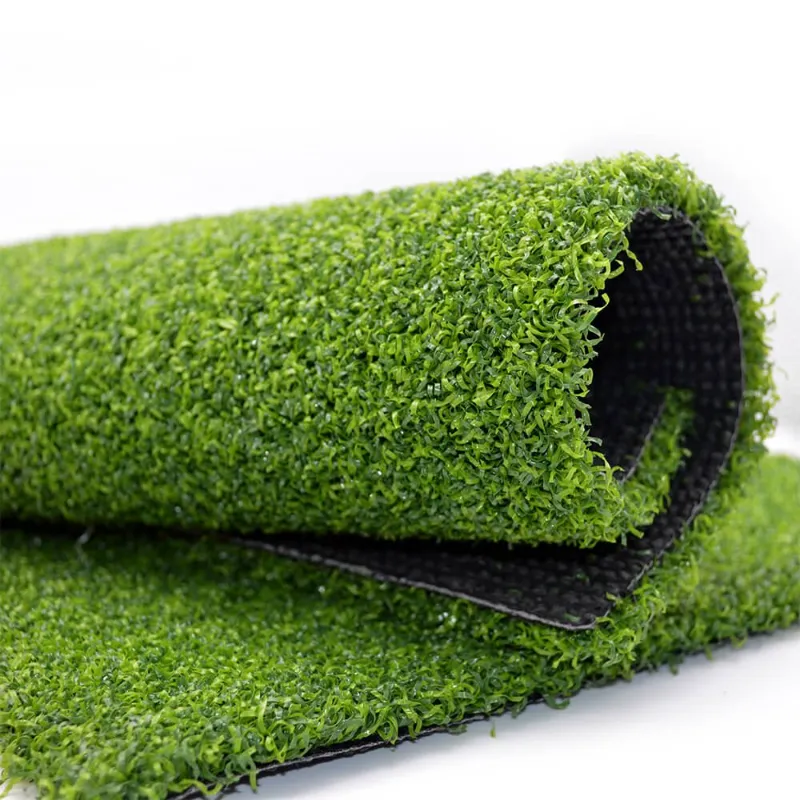
The tfd putting green silica sand infill 30/50 grit delivers the fine grain and density you need for true ball roll on artificial golf greens, while 16 grit works better for residential lawns that prioritize blade support. We tested both grades side by side on turf installations to show you exactly when each grain size matters.
Why Grain Size Changes Everything for Putting Greens
Silica sand infill serves two roles: it weighs down turf fibers and controls how a golf ball reacts on contact. Grain size determines which role dominates. Coarse 16 grit particles (roughly 1.0 to 1.4 mm) create space between granules, letting turf blades stand upright under foot traffic. That works well for backyard lawns and pet areas where you want a plush, resilient surface.
Fine 30/50 grit particles (0.3 to 0.6 mm) pack tightly, forming a firm subsurface that mimics the density of a natural putting green. The tighter the pack, the less a ball sinks and the truer it rolls. When you're chasing consistent stimp readings or practicing lag putts, artificial turf silica sand in the 30/50 range is the baseline choice.
We also found that 30/50 grit sand settles into shorter pile heights more evenly. Most artificial golf green products use pile heights between 0.5 and 0.75 inches, and coarse 16 grit can leave voids or uneven pockets in that shallow profile. The finer grade fills the turf backing completely, which stabilizes the surface and reduces ball bounce.
Comparing TFD Putting Green Silica Sand Infill 30/50 Grit and 16 Grit
Here's how the two grades stack up across the metrics that matter for installation and playability:
| Feature | 30/50 Grit | 16 Grit |
|---|---|---|
| Particle size | 0.3–0.6 mm (fine) | 1.0–1.4 mm (coarse) |
| Best use | Putting greens, golf practice | Lawns, pet areas, playgrounds |
| Ball roll | Firm, consistent | Softer, more resistance |
| Blade support | Moderate (low-pile turf) | High (tall-pile turf) |
| Infill rate | 2–3 lb/sq ft | 1.5–2.5 lb/sq ft |
If you're building a backyard chipping green or a full practice setup, the 30/50 grit gives you the firmness you need without over-compacting. For residential silica sand for fake grass applications where aesthetics and cushioning trump precision, 16 grit is the simpler, more forgiving option.
How Much Infill Your Putting Green Actually Needs
Infill rate depends on pile height and fiber density. Most putting green turf specifies 2 to 3 pounds of silica sand for artificial turf per square foot. We measured infill depth with a straightedge across the turf surface: you want sand to reach roughly two-thirds up the blade, leaving the top third exposed for ball contact.
Under-filling leaves the turf loose and prone to wrinkling. Over-filling buries the fibers, creating a hard, unnatural surface that resists putts and accelerates wear. Here's our workflow for even distribution:
- Spread half the total infill volume with a drop spreader in one direction
- Brush fibers upright with a stiff push broom
- Apply the second half perpendicular to the first pass
- Brush again and check coverage with a tape measure at five random points
When you grab the code for your order, factor in 10 to 15 percent extra sand to account for settling and top-ups after the first month of play. A 500-square-foot green typically needs 1,250 to 1,500 pounds of infill, and buying in bulk saves on per-pound cost.
Installation Tips for Fine-Grit Sand on Turf
Fine 30/50 grit packs tighter, so you'll need a few extra steps to avoid clumping and uneven coverage. Start by laying heavy duty weed barrier fabric over your compacted base to block weeds and stabilize the sand layer. Secure the turf perimeter with artificial turf stakes every 6 to 12 inches, pulling the material taut before you infill.
Spread tfd putting green silica sand infill 30/50 grit in thin layers, no more than half a pound per square foot per pass. Thick pours create pockets that resist brushing and leave bare spots elsewhere. After each layer, use a power broom or stiff-bristle push broom to work sand down to the backing. You'll see the fibers lift as the sand settles into place.
Pay extra attention to seams and edges, where turf can pull away if infill doesn't anchor it. We tamp seams gently with a hand roller after infilling to compress the sand and lock the adhesive bond. For curved or contoured greens, work from the high side down so gravity helps distribute the sand evenly.
Maintenance and Long-Term Performance
Both 16 grit and 30/50 grit turf silica sand are chemically inert, UV-stable, and won't degrade under sun or rain. The main difference in upkeep is redistribution frequency. Coarse 16 grit migrates less because the larger particles interlock, but 30/50 grit can shift under heavy foot traffic or aggressive putting practice.
We recommend a monthly brush-and-rake routine for putting greens: lift the fibers with a power broom, then rake the infill back toward any low spots. If you notice hard patches or uneven ball roll, top up with a quarter-pound per square foot of fresh sand and brush again. Check the latest price for top-up bags so you're not caught short mid-season.
Avoid leaf blowers on high settings; the air pressure can displace fine sand faster than you can replace it. Instead, use a shop vacuum with a brush attachment to pull debris off the surface without sucking up infill. For putting greens that see daily use, an annual deep cleaning with a turf rake and infill top-up keeps stimp consistent and extends the turf's lifespan by three to five years.
Which Grit Fits Your Project
Choose tfd putting green silica sand infill 30/50 grit if you're building a dedicated practice green, upgrading an indoor simulator bay, or installing short-pile golf turf that demands firm, predictable ball response. The finer grain packs tight, supports true roll, and integrates cleanly with low-profile fiber systems.
Pick artificial grass infill: silica sand 16 grit for residential lawns, play areas, or any installation where cushioning and blade support matter more than precision. The coarse particles handle foot traffic well, require less frequent redistribution, and work across a wider range of pile heights.
Both grades need proper base prep and even distribution to perform. If you're installing turf for the first time, consider ordering a small test bag of each grit to compare feel and roll on a sample square before committing to a full pallet. That hands-on check will tell you more than any spec sheet, and it only costs an extra hour of setup time.
Frequently asked questions
Can I mix 16 grit and 30/50 grit silica sand on the same putting green?
Mixing grits creates uneven firmness and unpredictable ball roll. Stick to one grain size across the entire surface for consistent performance and easier maintenance.
How often should I top up tfd putting green silica sand infill 30/50 grit?
Top up every 6 to 12 months or when you notice low spots and uneven roll. High-traffic areas may need a light top-up quarterly to maintain firmness.
Does 30/50 grit sand drain as well as coarse 16 grit?
Fine 30/50 grit drains slightly slower because particles pack tighter, but proper turf backing and a gravel base layer ensure water clears quickly. Drainage depends more on base construction than infill grain size.
What pile height works best with 30/50 grit silica sand?
Pile heights between 0.5 and 0.75 inches pair best with 30/50 grit. The fine sand fills low-profile turf evenly and delivers the firm surface putting greens require.
Can I use artificial turf stakes to secure turf before adding infill?
Yes, secure the perimeter and seams with turf stakes every 6 to 12 inches before spreading sand. This prevents shifting during infill and keeps edges tight.
Is silica sand safe for pets and kids on artificial grass?
Silica sand is non-toxic, dust-free when installed correctly, and safe for both pets and children. It won't cause skin irritation and drains well to prevent standing water.