
What Type of Tape Works Best for Seaming Artificial Turf?

What Type of Tape Works Best for Seaming Artificial Turf?
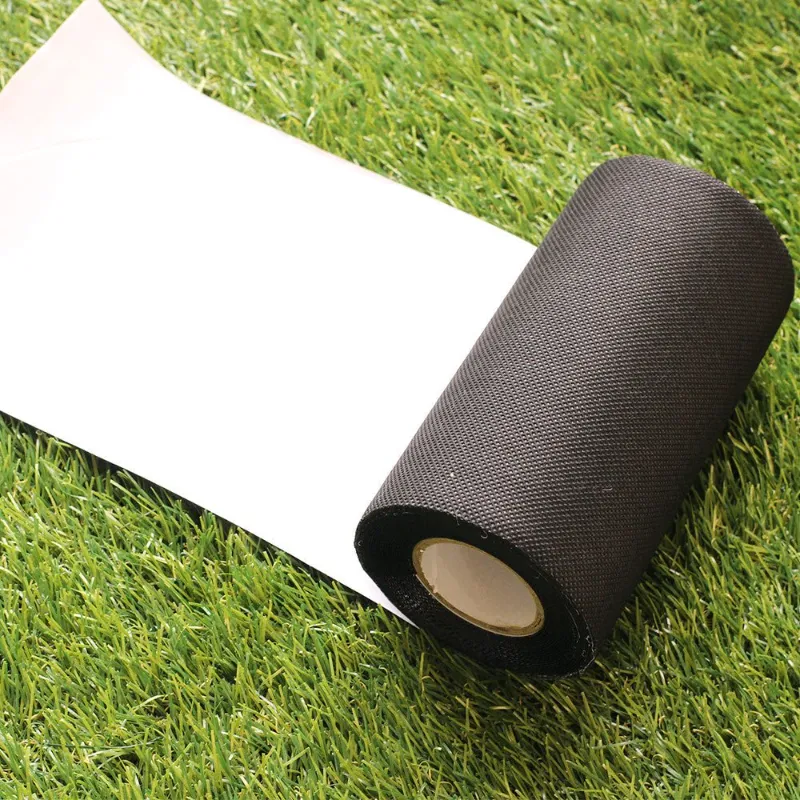
Double-sided polyurethane artificial turf tape rated for outdoor use creates the strongest, most invisible seams in synthetic grass installations. We tested multiple seaming methods across residential lawns, pet areas, and putting greens, and found that professional-grade tape combined with proper surface prep consistently outperforms single-sided options and budget alternatives that deteriorate under UV exposure.
The right tape matters because a visible or failing seam ruins the look of your lawn and creates tripping hazards. Whether you're installing a backyard putting green, a pet run, or a full residential lawn, the seam is the weakest point in any turf project.
Double-Sided Turf Tape vs. Seam Glue
You have two main options for joining artificial grass: tape or liquid adhesive. Each has specific advantages depending on your project scale and surface type.
Double sided turf tape offers the easiest installation for DIY projects. It requires no mixing, no cure time, and bonds instantly when you press the turf backing into place. We recommend tape for:
- Residential lawns under 1,000 square feet
- Pet areas where you may need to lift sections for cleaning
- Putting greens and sports surfaces on compacted base
- Any seam over a heavy duty weed barrier fabric installation
Artificial turf seam glue (polyurethane adhesive) creates a permanent bond that cannot be repositioned. Professional installers prefer glue for commercial projects, high-traffic areas, and slopes where tape might release under stress. The downside: you need a trowel, 24-hour cure time, and careful application to avoid adhesive bleeding through the turf backing.
For most homeowners, tape delivers professional results with far less hassle. Check current pricing on seaming supplies to compare your options.
Choosing the Right Artificial Turf Seam Tape
Not all tape is created equal. We evaluated products based on four criteria that determine long-term performance.
Width and Thickness
Standard seaming tape comes in 6-inch and 12-inch widths. For residential installations:
- 6-inch tape works for straight seams on flat, stable bases
- 12-inch tape is essential for curves, slopes, or areas with heavy foot traffic
Thickness matters for UV resistance. Look for tape at least 1.5 mm thick. Thinner options degrade within two seasons when exposed to direct sunlight.
Adhesive Type
Polyurethane adhesive remains flexible in temperature extremes and resists moisture better than acrylic options. Avoid generic carpet tape, which lacks UV inhibitors and fails within months outdoors.
Base Compatibility
Your tape must bond to your base material:
| Base Material | Tape Requirements |
|---|---|
| Compacted crushed rock | Aggressive adhesive, 12-inch width |
| Concrete or asphalt | Standard polyurethane, any width |
| Weed barrier fabric | High-tack adhesive rated for fabric |
If you're installing over a barrier layer, ensure your tape is rated for fabric bonding. We use barrier fabric in nearly every installation to prevent weed penetration before laying turf.
Temperature Rating
Quality tape maintains bond strength from -20°F to 180°F. This range covers winter cold and summer surface temperatures that can exceed 160°F on synthetic grass in full sun.
How to Install Turf Seam Tape for Invisible Joins
Proper installation technique matters more than the tape brand. We follow this process on every project:
- Trim edges cleanly - Cut turf backing straight along the seam line without trimming grass blades. Overlapping backing creates bumps; gaps create visible seams.
- Clean the base - Remove all dust, moisture, and debris. Sweep the seam area thoroughly. Moisture prevents adhesive bond.
- Center the tape - Position tape so equal width sits under each turf edge. For 6-inch tape, that's 3 inches per side.
- Peel and press - Remove one side of the backing, press the first turf edge firmly, then repeat for the second edge. Work in 3-foot sections to prevent tape from collecting debris before you press turf down.
- Secure with stakes - Drive turf stakes every 18 inches along the seam perimeter to prevent edge lift while adhesive fully cures. We typically use 6-inch galvanized stakes for permanent installations.
- Add infill - Once seams are secure, spread silica sand for artificial turf across the entire surface to lock fibers upright and add ballast. Infill also helps hide minor seam imperfections by weighing down grass blades along the join.
The difference between a visible seam and an invisible one usually comes down to edge trimming. Take your time cutting turf backing perfectly straight before you ever touch the tape.
When to Use Turf Seam Tape and Glue Together
For premium installations like an artificial golf green or high-traffic commercial areas, combining both methods creates the strongest bond. Apply tape first for immediate hold, then trowel a thin bead of polyurethane adhesive along each edge of the seam on top of the tape.
This hybrid approach:
- Provides instant positioning from tape
- Adds permanent strength from glue
- Prevents seam separation on slopes or heavily used areas
- Reduces glue usage compared to adhesive-only methods
We use this technique on all putting green installations where even a 1mm seam gap would affect ball roll. The tape holds the seam perfectly flat while glue cures underneath.
Where to Buy Seaming Supplies
You'll find artificial turf tape home depot and hardware stores, but selection is often limited to single brands at retail markup. We source professional-grade tape through specialty suppliers and test for UV stability before recommending specific products.
For complete installations, you'll also need proper anchoring. Artificial turf stakes secure perimeters and seams, while infill materials like turf silica sand add the weight and blade support that makes synthetic grass look and feel natural.
Grab our discount code for 10% off your seaming supplies and installation accessories. Whether you're joining two rolls for a small patch or seaming an entire backyard, the right tape combined with proper technique creates seams that stay invisible for the full life of your turf.
Common Seaming Mistakes to Avoid
After reviewing dozens of failed DIY installations, we see the same errors repeatedly:
- Skipping base prep - Tape applied to dusty or damp surfaces fails within weeks
- Using indoor carpet tape - It lacks UV inhibitors and disintegrates outdoors
- Trimming grass blades instead of backing - This creates gaps that show brown backing
- Insufficient staking - Edges lift without stakes for artificial grass every 18 to 24 inches
- Skipping infill - Seams stay visible without silica sand infill to weight down fibers
Every professional installer stakes seams aggressively and applies infill immediately. These steps transform a good seam into an undetectable one.
Quality seaming tape costs more upfront but eliminates the frustration of redoing failed seams. When you're investing in artificial turf, spending an extra dollar per linear foot on professional-grade tape protects the entire project.
Frequently asked questions
Can I use regular double-sided carpet tape for artificial grass seams?
No. Indoor carpet tape lacks UV inhibitors and waterproof adhesive, so it deteriorates within months outdoors. Use tape specifically rated for artificial turf seaming with polyurethane adhesive and outdoor UV protection.
How long does artificial turf tape last before seams separate?
Quality polyurethane seaming tape lasts 10 to 15 years when properly installed on clean, dry base material. Cheaper acrylic tapes or improper installation can fail in under two years.
Do I need to use infill after seaming synthetic grass?
Yes. Infill like silica sand weighs down grass blades along the seam, making the join nearly invisible while adding ballast to prevent turf movement. Seams stay more visible without infill.
Should I use 6-inch or 12-inch wide seaming tape?
Use 12-inch tape for curves, slopes, high-traffic areas, or installations over fabric base. Use 6-inch tape for straight seams on stable compacted rock or concrete bases in low-traffic areas.
Can I reposition turf after pressing it onto seam tape?
You have about 30 seconds to adjust position before aggressive adhesive bonds permanently. Work in short sections and align edges carefully before pressing down. Once bonded, repositioning damages the turf backing.
Do I still need stakes if I use seaming tape?
Yes. Stakes prevent edge lift while tape adhesive fully cures and provide long-term security against lateral movement. Drive stakes every 18 inches along seam perimeters and around the entire turf perimeter.