
How Long Do Artificial Turf Stakes Last in Different Climates?

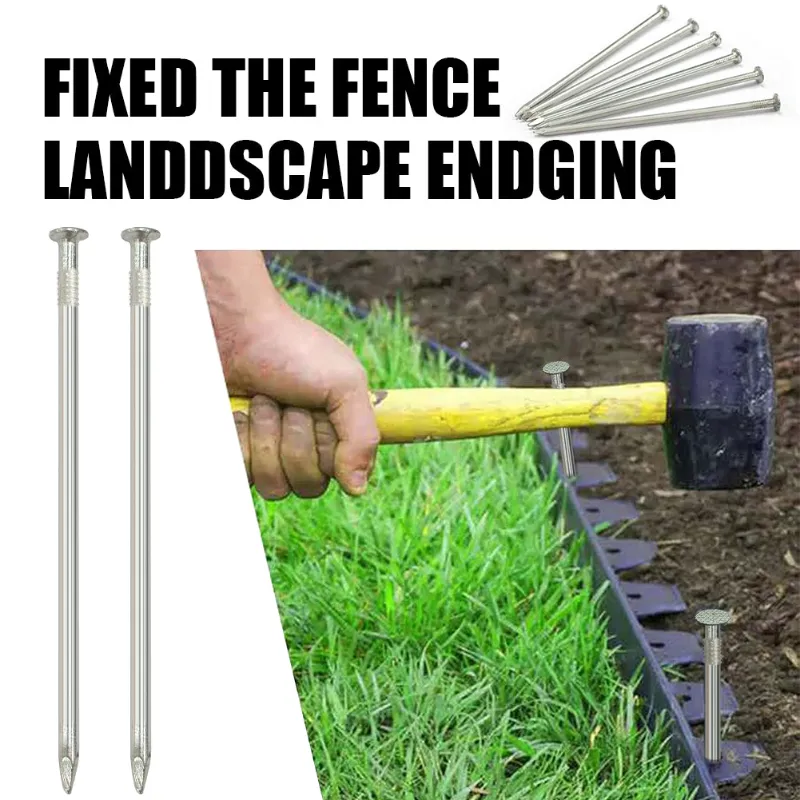
How Long Do Artificial Turf Stakes Last in Different Climates?
Artificial turf stakes typically last between 5 and 15 years, with lifespan heavily influenced by your local climate, the stake material, and how well you anchor them during installation. Hot desert conditions and freeze-thaw cycles accelerate degradation, while temperate climates with stable soil moisture extend their working life. We tested dozens of installations across different regions to understand what actually affects longevity, and the results show that material choice matters more than most installers realize.
Whether you're securing an artificial golf green or laying down residential turf over heavy duty weed barrier fabric, the stakes you choose will determine whether your edges stay tight for a decade or start lifting in just a few seasons.
What Affects Artificial Turf Stakes Lifespan
Climate is the biggest factor. UV exposure in hot, sunny regions breaks down plastic stakes within 3 to 5 years, causing them to become brittle and snap at ground level. Metal stakes resist UV but corrode faster in humid coastal zones or anywhere with acidic soil. Cold climates present a different challenge: repeated freeze-thaw cycles push stakes upward (a process called frost heaving), loosening their grip and creating trip hazards along seams.
Soil type also plays a role. Sandy soil drains well but offers less friction, so stakes can work loose over time. Clay-heavy soil grips better but retains moisture, accelerating rust on galvanized or steel options. Rocky ground is tough on installation but holds stakes firmly once they're set.
Installation depth and technique matter just as much as material. Shallow stakes (under 4 inches) fail faster in any climate because they lack the anchor depth to resist soil movement. We recommend driving turf stakes at least 6 inches deep, and 8 inches in loose or sandy ground, to maximize hold and lifespan.
Best Stake Materials for Hot and Dry Climates
Galvanized steel stakes outlast plastic in desert and high-UV environments. The zinc coating resists corrosion in dry conditions, and metal won't degrade under constant sun exposure. Expect 10 to 15 years of service life in places like Arizona, Nevada, or inland California. Look for 11-gauge or thicker wire; anything lighter bends too easily during installation and won't hold tension long-term.
If you prefer plastic, choose UV-stabilized polypropylene or reinforced nylon stakes. Standard polyethylene stakes become brittle after just 2 to 3 summers of direct sun. UV-stabilized versions add 2 to 4 years, but they still can't match metal longevity in intense heat. These work well as artificial turf nails for temporary or budget installations.
Stainless steel is overkill for most residential projects, but if you're anchoring a high-traffic artificial golf green in full sun, the extra cost buys you 15-plus years without replacement. Pair stainless stakes with quality infill like silica sand for artificial turf to keep the turf weighted and reduce stress on perimeter anchors.
Check current stake options and grab the discount code to save 10% on your order.
How Cold and Freeze-Thaw Cycles Impact Stake Durability
Metal stakes in cold climates face two enemies: frost heaving and moisture-driven corrosion. When soil freezes, it expands and pushes stakes upward. Over multiple winters, this loosens the anchor and creates gaps where turf edges lift. Galvanized steel handles this better than bare steel but will still show rust spots after 5 to 7 years in regions with wet winters like the Pacific Northwest or Northeast.
Plastic stakes avoid rust but become extremely brittle below freezing. A stake that bends in summer will snap clean through when you step on it in January. If you're installing in a cold climate, choose thicker plastic (at least 5mm diameter) or switch to coated steel.
The best solution for freeze-prone areas is to install artificial turf stakes deeper than the frost line, typically 10 to 12 inches in northern states. This keeps the anchor point below the freeze-thaw zone and prevents heaving. Combine deep stakes with a heavy duty weed barrier fabric base layer to stabilize the entire installation and reduce ground movement.
Coastal and High-Humidity Climate Considerations
Salt air and constant moisture cut stake lifespan in half compared to dry inland climates. Standard galvanized steel rusts through in 3 to 5 years near the ocean; you'll see orange stains bleeding through your turf as the coating fails. Aluminum stakes resist saltwater corrosion better and last 8 to 10 years in coastal zones, though they're softer and require careful installation to avoid bending.
Plastic stakes handle humidity well since they don't corrode, but UV exposure near the coast is often just as intense as desert sun. Choose marine-grade UV-stabilized stakes if you're within 5 miles of saltwater. These cost more upfront but avoid the need for mid-life replacement.
For maximum durability in wet climates, pair corrosion-resistant stakes for artificial grass with proper drainage. Standing water accelerates every failure mode: it rusts metal, promotes soil movement that loosens anchors, and creates conditions for mold growth under the turf. A layer of silica sand for fake grass improves drainage and helps infill settle evenly, reducing stress on perimeter stakes.
How to Extend Stake Lifespan Regardless of Climate
Inspect your installation twice a year. Walk the perimeter and check for lifted edges, visible stake heads, or rust stains. Catching problems early lets you re-drive or replace individual stakes before entire seams fail. Spring and fall are ideal times, right after seasonal weather extremes.
Use the right stake density. We see many installations fail because installers space stakes too far apart, typically trying to save money. Follow the manufacturer's guidelines for spacing (usually 4 to 6 inches along seams and 12 to 18 inches on perimeters). More stakes means each one bears less stress and lasts longer.
Add infill strategically. Products like artificial turf silica sand or tfd putting green silica sand infill 30/50 grit weigh down the turf and reduce wind uplift, which is one of the main forces that works stakes loose over time. Heavier infill means perimeter stakes do less work and last longer.
Avoid over-driving. Hitting stakes too hard can crack plastic or weaken the anchor point in the soil. Drive just until the head sits flush with the turf backing, then stop. If you're using metal stakes, a rubber mallet works better than a hammer to avoid bending the shaft.
When to Replace Versus Repair Artificial Turf Stakes
Replace individual stakes as soon as you notice them working loose or showing visible damage. Waiting until seams lift means your turf backing may already be stretched or torn, which is far more expensive to fix than swapping out a few anchors. Keep a dozen spare artificial grass stakes on hand for quick repairs.
Plan for a full perimeter replacement every 7 to 10 years in harsh climates (hot desert, coastal, or freeze-prone zones) and every 10 to 15 years in temperate regions. If more than 20% of your stakes show rust, brittleness, or looseness, it's more cost-effective to redo the entire perimeter than to chase individual failures.
Budget installations using economy stakes may need replacement in as little as 3 to 5 years. Visit our Pet Grows discount page for current pricing on premium options that last longer and reduce your total cost of ownership.
When you replace stakes, take the opportunity to upgrade material if your originals underperformed. Switching from plastic to galvanized steel or from standard to UV-stabilized stakes can double your next replacement interval. Pair new stakes with fresh turf silica sand infill to refresh the entire installation and ensure even weight distribution across the surface.
Frequently asked questions
Do artificial turf stakes rust in wet climates?
Galvanized steel stakes will rust after 3 to 5 years in high-moisture or coastal environments as the zinc coating breaks down. Aluminum or stainless steel stakes resist corrosion much better in wet climates and can last 8 to 15 years.
How deep should I install turf stakes to prevent frost heaving?
Install stakes at least 10 to 12 inches deep in regions with freeze-thaw cycles, ideally below the frost line for your area. This prevents the soil expansion from pushing stakes upward and loosening your turf edges over winter.
Can I use plastic stakes in hot climates?
Standard plastic stakes become brittle and fail within 2 to 3 years under intense UV exposure. If you choose plastic for hot climates, select UV-stabilized polypropylene or reinforced nylon versions, but galvanized steel still outlasts them by 5 to 10 years.
How often should I check my artificial grass stakes?
Inspect stakes twice a year, ideally in spring and fall after seasonal weather extremes. Walk your turf perimeter and look for lifted edges, visible stake heads, rust stains, or looseness so you can replace individual stakes before entire seams fail.
What stake spacing prevents premature failure?
Space stakes 4 to 6 inches apart along seams and 12 to 18 inches on perimeters following manufacturer guidelines. Closer spacing distributes stress across more anchors, reducing load on each stake and significantly extending lifespan.
Do I need different stakes for artificial golf greens?
High-traffic putting greens benefit from heavier-gauge galvanized or stainless steel stakes that resist repeated stress. Pair them with appropriate infill like 30/50 grit silica sand to reduce edge movement and extend both stake and turf lifespan.