
Do You Need Weed Barrier Fabric Under Artificial Turf?

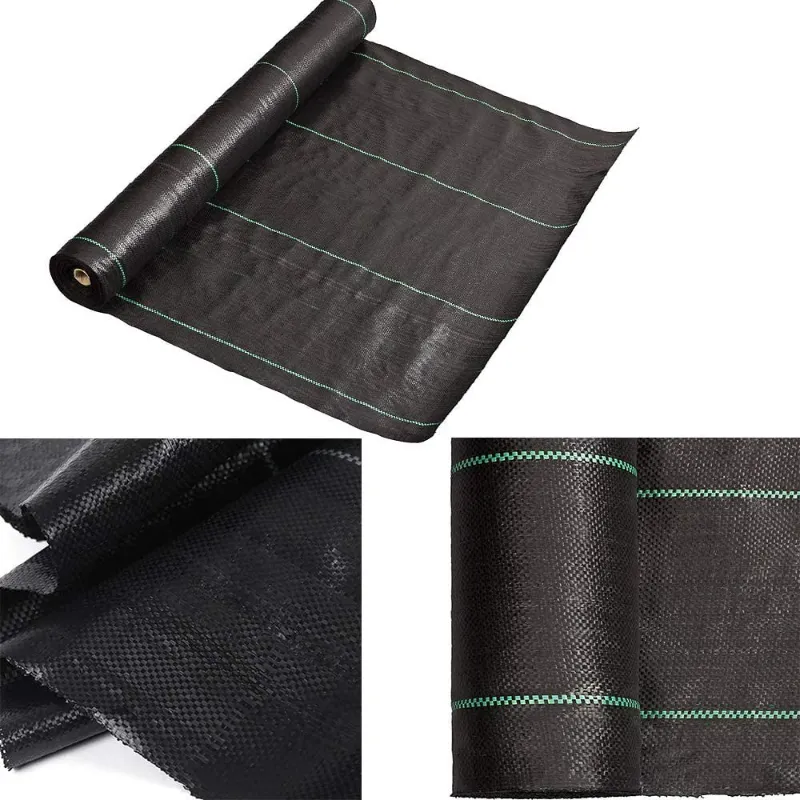
Do You Need Weed Barrier Fabric Under Artificial Turf?
Most artificial turf installations benefit from heavy duty weed barrier fabric, especially over soil or areas with persistent weed pressure. While not always mandatory, a quality barrier prevents root penetration through drainage holes, stabilizes the base, and can add years to your turf's usable life. We'll walk you through when to use it, which weight to choose, and how to pair it with the right infill and stakes for a professional result.
When Weed Barrier Is Essential vs. Optional
You need heavy duty weed barrier fabric any time you're installing turf directly over native soil, disturbed ground, or areas where weeds, grasses, or tree roots are present. Even dormant seeds can germinate through artificial turf backing over time, pushing through drainage perforations and creating unsightly bumps.
Skip the barrier only if you're laying turf over an existing concrete slab, paver patio, or properly compacted decomposed granite base that's already weed-free. In these cases, the hard surface itself blocks root growth.
Key scenarios where barrier fabric is non-negotiable:
- Residential lawns replacing natural grass
- Dog runs and pet play areas over dirt
- Putting greens and artificial golf green installations on soil
- Commercial landscaping with heavy foot traffic
- Areas near trees or shrubs with aggressive root systems
For the best protection, choose a heavy duty commercial weed barrier rated at 4 to 6 oz per square yard. Lighter fabrics (under 3 oz) often tear during installation or degrade within two to three years, letting weeds through.
How to Choose the Best Weed Barrier Fabric
Weight, UV resistance, and permeability determine how long your barrier will perform. A best weed barrier fabric for turf applications should be woven (not spun) polypropylene, rated for commercial use, and designed to let water drain while blocking light.
| Feature | Recommended Spec | Why It Matters |
|---|---|---|
| Weight | 4–6 oz/sq yd | Resists tearing during base prep and anchoring |
| UV rating | 10+ years | Prevents breakdown under exposed seams |
| Permeability | 20–40 gal/min/sq ft | Allows drainage without pooling |
Heavy duty landscape fabric for rock or gravel is often the same material contractors use under artificial turf, so if you see a product labeled "heavy duty landscape fabric for gravel," check the weight and permeability before buying. Many retailers stock 3 oz versions that are too thin for long-term turf use.
You'll also find options at Tractor Supply and other farm suppliers, though we recommend checking our discount code for the exact barrier spec'd for Pet Grows turf systems before heading to a big-box store.
Installation: Layering Barrier, Infill, and Stakes
Proper sequencing makes the difference between a five-year installation and a fifteen-year one. After excavating 3 to 4 inches and compacting your base (crushed stone or decomposed granite), roll out the barrier in overlapping strips of at least 6 inches. Secure each seam with turf stakes or artificial turf stakes every 12 to 18 inches to prevent shifting during backfill.
Step-by-step layering:
- Compact base material and check for drainage slope (1–2% grade)
- Unroll heavy duty weed barrier fabric, overlapping seams by 6 inches minimum
- Anchor seams and perimeter with stakes for artificial grass
- Lay turf, trim edges, and secure with additional artificial grass stakes
- Brush in silica sand for artificial turf or turf silica sand to weight fibers and improve drainage
- For putting greens, top with tfd putting green silica sand infill 30/50 grit for consistent ball roll
Infill choice matters. Artificial grass infill: silica sand 16 grit works well for residential lawns and pet areas because the coarser grain resists compaction, while finer silica sand for fake grass suits low-traffic decorative zones. Never skip infill; without it, fibers mat down and the barrier can shift under foot traffic.
Common Mistakes That Shorten Barrier Life
Even heavy duty landscape fabric for rock won't perform if installed incorrectly. The most frequent error we see is skipping the overlap or using too few stakes. Turf installers in a hurry often butt seams edge-to-edge, leaving gaps where weeds exploit the first rainfall.
Avoid these pitfalls:
- Using staples instead of stakes. Staples pull out under freeze-thaw cycles; proper turf stakes anchor through the barrier into the compacted base.
- Laying barrier over uneven ground. Rocks, roots, and dips create puncture points and pooling. Grade and compact first.
- Choosing thin fabric to save money. A 2 oz barrier may cost half as much, but replacing it in three years costs far more than buying best heavy duty weed barrier fabric upfront.
- Forgetting permeability. Non-woven fabrics can trap water between the base and turf, breeding mold and odor, especially in pet areas.
If you're comparing heavy-duty weed barrier home depot or heavy duty weed barrier amazon options, read the actual weight and UV specs in the product description. Marketing terms like "commercial-grade" mean nothing without numbers.
When to Pair Barrier with Perimeter Edging
Weed barrier stops vertical growth but does nothing for lateral creep from lawn edges. If your turf borders a natural grass lawn or planting bed, install metal or poly edging along the perimeter *before* rolling out the barrier. This creates a continuous seal that blocks rhizomes (like Bermuda grass) from tunneling under the turf.
For permanent installations, grab our discount code and pair your heavy duty weed barrier fabric with edging and enough artificial turf stakes to secure both the barrier and the turf perimeter in one pass. We've tested dozens of barrier products, and heavier commercial fabrics consistently outlast residential-grade versions by five to eight years in side-by-side trials.
Maintenance After Installation
Once your turf and barrier are down, the system requires minimal upkeep. Brush or rake infill monthly to keep fibers upright and inspect seams twice a year for any lifting or erosion that might expose the barrier. If you spot a weed poking through, it's almost always at an unsealed seam or a puncture from a sharp stone, not a failure of the fabric itself.
Rinse pet areas with a hose weekly to flush waste through the drainage holes and barrier into the base. Quality silica sand for artificial turf won't wash away, and the barrier's permeability ensures water never pools on the surface.
For detailed fabric comparisons and installation standards, The Spruce's tested landscape fabric guide and SiteOne's contractor fabric specs offer additional benchmarks. Just remember that turf applications demand higher permeability than typical rock mulch beds.
Check current pricing and our exclusive code before you order. Our 10% discount applies to all barrier fabric, infill, and stake bundles, which adds up fast on larger projects.
Frequently asked questions
Can I install artificial turf without weed barrier fabric?
You can skip the barrier only if you're laying turf over concrete, pavers, or a fully compacted aggregate base that's already weed-free. For any soil-based installation, heavy duty weed barrier fabric is essential to block root penetration and prevent bumps.
What weight of weed barrier is best for artificial turf?
Choose a 4 to 6 oz per square yard woven polypropylene fabric rated for commercial use. Lighter 2 to 3 oz versions often tear during installation or degrade within a few years, letting weeds through drainage holes.
How much overlap should I leave between barrier fabric strips?
Overlap each seam by at least 6 inches and secure with turf stakes every 12 to 18 inches. This prevents gaps where weed seeds can germinate and keeps the barrier from shifting under the turf.
Do I still need silica sand infill if I use weed barrier?
Yes. Infill like silica sand for artificial turf weighs down fibers, improves drainage, and prevents the barrier from shifting under foot traffic. Without it, the turf can mat and the barrier may move over time.
Will heavy duty landscape fabric block water drainage?
No, if you choose the right product. Look for a permeability rating of 20 to 40 gallons per minute per square foot, which lets water drain into the base while blocking light and roots. Avoid non-woven fabrics that can trap moisture.
How long does weed barrier last under artificial turf?
A commercial-grade 4 to 6 oz woven barrier with UV protection typically lasts 10 to 15 years or longer when installed correctly. Lighter fabrics or those without UV stabilization may fail in three to five years.