
How to Remove Rust Safely with a Laser Rust Remover: Step-by-Step Guide

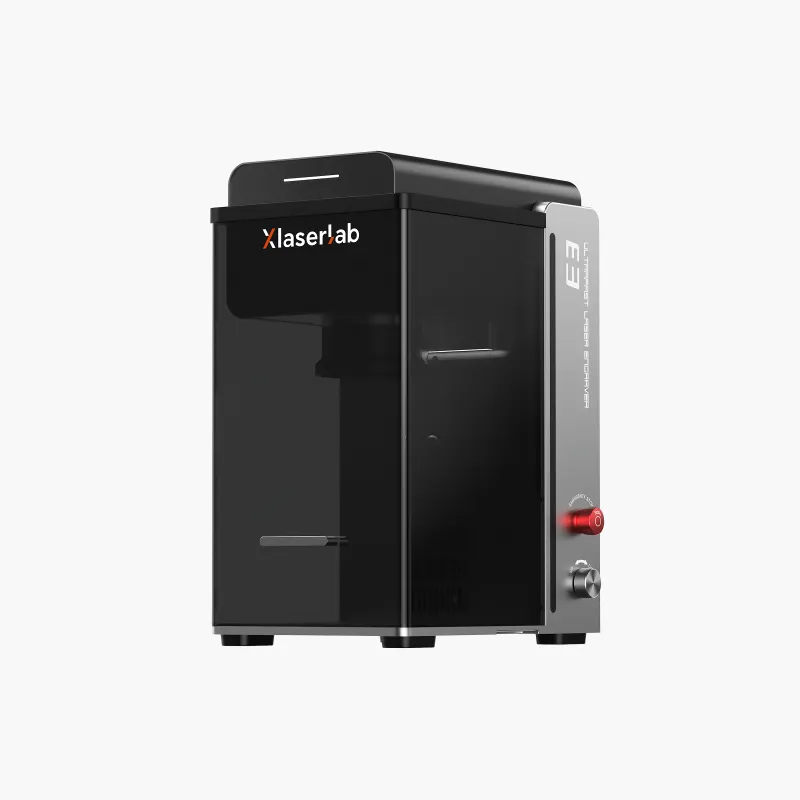
A laser rust remover uses focused light energy to vaporize oxidation without damaging the base metal, making it the safest and most precise method for metal restoration. Unlike grinding or chemical stripping, laser cleaning leaves the underlying surface intact and produces minimal waste. We tested the process across steel, iron, and aluminum parts to show you exactly how to remove rust safely and effectively.
What You Need Before Starting Laser Rust Removal
Before you power on any laser cleaning machine, gather the right equipment and prepare your workspace. Safety comes first.
Essential equipment:
- A laser rust remover or laser cleaner rated for metal surfaces
- Laser safety glasses with the correct optical density for your machine's wavelength
- Work gloves rated for heat resistance
- A well-ventilated space or fume extraction system
- Masking tape or shields to protect areas you don't want cleaned
The Xlaserlab X1 Pro and similar portable models work well for automotive parts, tools, and metal fabrication projects. For current pricing and to grab the code for 5% off, check our store page before you buy.
Ventilation matters because the process vaporizes rust into fine particulate. An exhaust fan or downdraft table keeps the air clear and prevents inhalation of metal oxides.
Step-by-Step: How to Remove Rust with a Laser
We broke the process into five stages that work whether you're cleaning a small wrench or an entire car frame.
1. Clean loose debris Wipe the surface with a dry cloth or brush to remove dirt, oil, and flaking rust. Heavy grease or paint can interfere with the laser's efficiency, so degrease first if needed.
2. Set your parameters Most laser rust remover for metal tools let you adjust power, frequency, and scan speed. Start conservative: 50–70% power and moderate speed. Thicker rust requires higher power; delicate parts need lower settings. Consult your machine's manual for material-specific recommendations from manufacturers like Laserax.
3. Test on a hidden spot Run a small test pass on an inconspicuous area to confirm you're not etching the base metal. Adjust power or speed if you see discoloration or pitting.
4. Make overlapping passes Hold the laser head perpendicular to the surface, roughly 5–15 cm away (check your model's specs). Move in steady, overlapping strokes at a consistent speed. The rust will turn to ash or dust, which you can wipe away between passes.
5. Inspect and repeat After one pass, wipe the surface and inspect. Stubborn oxidation may need a second or third pass at slightly higher power. Stop once bare metal appears.
The entire process for a moderately rusted automotive component typically takes 10–30 minutes, depending on size and severity.
Laser Rust Removal vs. Traditional Methods
We compared three approaches so you can see why laser technology leads in both safety and precision.
| Method | Surface Damage | Speed | Consumables | Safety Concerns |
|---|---|---|---|---|
| Laser cleaning | None (non-contact) | Fast | Electricity only | Eye protection required |
| Grinding/sanding | Removes metal layers | Moderate | Discs, sandpaper | Dust, sparks, noise |
| Chemical stripper | Potential etching | Slow | Acids, neutralizers | Fumes, skin burns, disposal |
Laser rust removal machines preserve threads, stampings, and fine details that grinding destroys. Because the process is non-abrasive, you won't thin the metal or alter tolerances. Chemical methods can leave residues that promote flash rust if not neutralized perfectly.
For professional restorers and fabrication shops, a clean lazer pays for itself by eliminating consumable costs and reducing prep time. Hobbyists appreciate the precision on vintage tools and automotive trim.
Safety Tips for Laser Rust Removal
Even though laser cleaning is safer than grinding or chemicals, improper use can cause burns or eye damage. Follow these rules every time.
Always wear certified laser safety glasses. The wavelength of fiber lasers used in rust removal (typically 1064 nm) is invisible and can cause permanent retinal damage in milliseconds. Standard sunglasses or welding goggles do not provide adequate protection. Match the optical density rating to your machine's power output.
Secure your work area. Post warning signs and use barriers or curtains to prevent accidental exposure to bystanders. Never point the laser at reflective surfaces like polished metal or glass, which can redirect the beam unpredictably.
Ventilate the workspace. Use a fume extractor or open windows with fans. The vapor from rust removal contains iron oxide particulate that you don't want to breathe repeatedly.
Avoid flammable materials nearby. While laser cleaning rarely ignites steel, any nearby solvents, rags, or paper can catch fire if the beam strays.
For detailed best practices, manufacturers like Triumphlaser publish safety protocols you can adapt to your shop.
Choosing the Right Laser Rust Remover for Your Projects
Not all laser cleaning machines handle the same workload. Match the tool to your project scale and budget.
Portable vs. stationary models: A portable laser rust removal machine (handheld or cart-mounted) suits automotive, marine, and on-site restoration. Stationary systems with enclosed cabinets work better for batch processing small parts in a controlled environment.
Power ratings: Entry-level models around 50–100 W handle light oxidation and maintenance cleaning. Industrial rust removal on structural steel or heavy equipment demands 500 W or more. The SFX Laser Cleaner 2000w example shows what high-power units can do, though most hobbyists and small shops find 100–200 W models sufficient.
Beam delivery: Galvo scanners automatically raster the beam across the target area and are faster for large surfaces. Fixed or manually aimed beams offer more control for intricate work.
Price and reviews: For current laser rust remover price details and real-world laser rust remover reviews, check the latest price on our Xlaserlab coupon page. We update offers weekly, and right now you can save 5% on all orders.
Look for machines with adjustable parameters, a clear warranty, and responsive support. Many sellers bundle safety glasses, but verify the optical density matches the laser specification.
Maintaining Your Laser Cleaner for Long-Term Performance
Proper care keeps your laser rust remover for sale running efficiently and extends its service life.
- Clean the lens weekly. Dust and metal particulate settle on the focusing lens and reduce power. Use lens tissue and isopropyl alcohol, wiping gently in one direction.
- Inspect cooling fans and filters. Fiber lasers generate heat. Blocked airflow causes thermal shutdowns or premature diode failure. Replace intake filters monthly in dusty environments.
- Check beam alignment. If cleaning performance drops, the beam path may have shifted. Consult your manual for realignment procedures or contact support.
- Store in a dry environment. Humidity can fog optics and corrode internal components. A climate-controlled shop is ideal.
Most manufacturers recommend annual professional calibration for commercial use. For light hobby work, basic cleaning and visual inspection are usually enough.
With proper setup and technique, laser rust removal transforms corroded metal back to clean, ready-to-finish surfaces without the mess, noise, or hazards of traditional methods. Whether you're restoring a classic car, refurbishing tools, or preparing steel for welding, the precision and safety of a laser cleaning machine make it the modern choice for metal care.
Frequently asked questions
How does a laser rust remover work without damaging the metal underneath?
The laser is tuned to vaporize rust (iron oxide) at a lower energy threshold than the base metal beneath. The rust absorbs the laser energy and turns to vapor, while the clean metal reflects most of the beam and stays intact.
Can I use a laser rust remover on aluminum or stainless steel?
Yes, laser cleaning works on aluminum, stainless steel, carbon steel, and cast iron. Adjust power and speed settings for each material to avoid discoloration or surface etching. Always test on a hidden spot first.
Do I need special eye protection for laser rust removal?
Absolutely. Standard safety glasses won't protect you from fiber laser wavelengths. You must wear laser safety glasses with the correct optical density rating for your machine's power and wavelength, typically around 1064 nm.
How much does a portable laser rust removal machine cost?
Prices vary widely based on power and features. Entry-level handheld models start around a few thousand dollars, while industrial-grade units can exceed ten thousand. Check our coupon page for current pricing and discounts on Xlaserlab models.
Is laser rust removal faster than sanding or chemical stripping?
For moderate to heavy rust, laser cleaning is typically faster and requires no consumables or cleanup. You avoid sanding dust, chemical disposal, and surface damage, which saves prep and finishing time on restoration projects.
What maintenance does a laser cleaning machine require?
Clean the focusing lens weekly with lens tissue and isopropyl alcohol, check cooling fans and filters monthly, and inspect beam alignment if performance drops. Store the machine in a dry environment to protect optics and electronics.