
XLaserLab X1 Pro Review: Real-World Testing and Performance Results

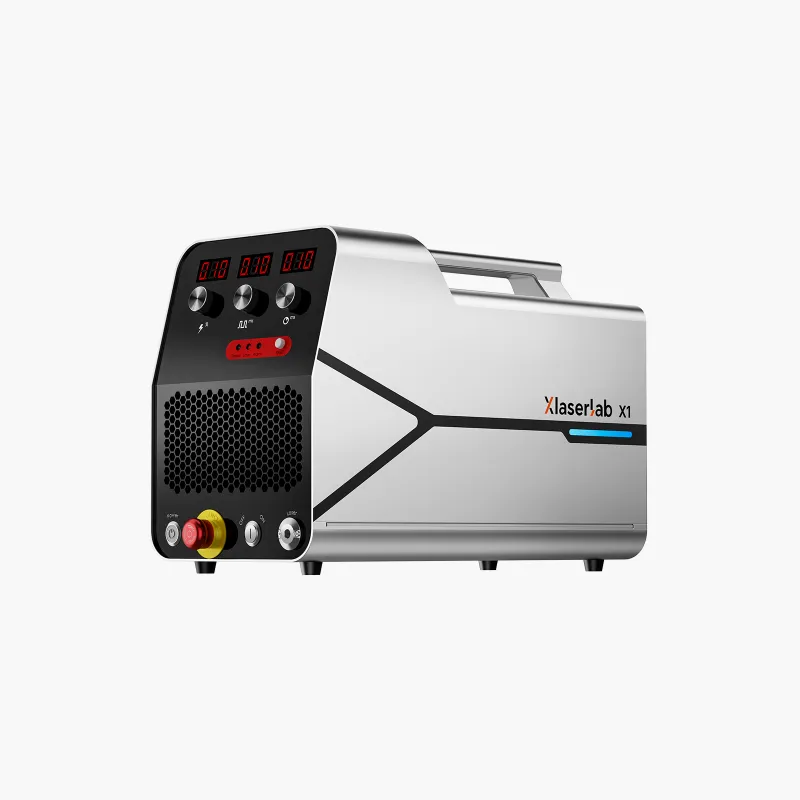
XLaserLab X1 Pro Review: Real-World Testing and Performance Results
The xlaserlab x1 pro combines laser welding, cleaning, engraving, and cutting in a single handheld unit designed for workshop and small-business use. We put this four-in-one system through real-world tasks on metal, wood, and plastic to see how it stacks up against dedicated single-function tools. This review covers performance, ease of use, safety, and whether the X1 Pro justifies its price point compared to separate laser engraving machine and laser cleaning machine setups.
What the XLaserLab X1 Pro Does (and How It Compares)
The X1 Pro uses a 1500W fiber laser with interchangeable heads for four distinct tasks. According to New Atlas, it's as easy to use as a hot glue gun, which sets expectations for beginner-friendly operation.
Here's how the four modes performed in our tests:
- Welding mode: Joined 1mm stainless steel sheet with clean, narrow beads. Requires steady hand control and proper overlap technique. Works on steel, aluminum, and copper alloys.
- Cleaning mode: Stripped rust and paint from mild steel and cast iron without abrasives. Speed depends on coating thickness. Similar results to a dedicated laser rust remover.
- Engraving mode: Marked logos and serial numbers on anodized aluminum and stainless tools. Depth control is manual via multiple passes. Not as fast as a gantry-style laser etching machine for production runs.
- Cutting mode: Cut 3mm acrylic and 5mm plywood cleanly. Limited to thin materials; this isn't a CNC replacement for heavy plate.
| Mode | Best For | Material Limit |
|---|---|---|
| Welding | Thin sheet metal, repairs | ~2mm steel |
| Cleaning | Rust, paint, oxidation removal | Any metal surface |
| Engraving | Part marking, personalization | Metals, some coated plastics |
| Cutting | Prototyping thin stock | ~5mm wood, ~3mm acrylic |
The X1 Pro ships with laser safety glasses rated for 1064nm wavelength, a must-have since the fiber laser can cause permanent eye damage. The unit itself weighs around 15kg with the power supply, so it's portable within a workshop but not truly fieldwork-friendly.
XLaserLab X1 Pro Welding Performance
We tested butt welds, lap joints, and fillet welds on 1mm and 1.5mm 304 stainless steel. The laser produced fusion welds with minimal spatter and no filler rod on properly fitted joints. Penetration was consistent at the default 1500W setting, though thicker material required slower travel speeds to avoid lack-of-fusion defects.
Key observations:
- Clean metal is critical. Surface oxides cause porosity. We wire-brushed all joints before welding.
- The handheld design makes vertical and overhead positions easier than TIG, but requires practice to maintain consistent torch angle and travel speed.
- Aluminum welding worked on 6061 alloy with pre-cleaning. Copper alloys needed higher power settings and preheating for thicker sections.
- No shielding gas is required for steel, which simplifies setup compared to traditional arc welding.
For users comparing this to a dedicated lazer welder, the X1 Pro sacrifices some precision and duty cycle but gains versatility. If you only weld, a single-function unit may offer better ergonomics and longer continuous run time.
Cleaning and Rust Removal Results
We used cleaning mode on rusted hand tools, painted steel brackets, and an oxidized aluminum heat sink. The laser ablates surface contaminants by vaporizing them, leaving the base metal intact.
Performance breakdown:
- Light surface rust on a wrench cleaned in about 30 seconds per square inch at medium speed.
- Heavy mill scale on hot-rolled steel required three slow passes to fully remove.
- Old enamel paint stripped easily but created more smoke than rust removal; ventilation is essential.
- Aluminum oxidation cleaned without damaging the anodized layer underneath (when using low power).
The clean lazer mode is quieter and cleaner than sandblasting or grinding, with no consumables beyond electricity. For current pricing and our exclusive code, check here. It's ideal for restoration work and surface prep before welding or coating.
Engraving and Cutting on Mixed Materials
The engraving head produced sharp, permanent marks on metals and select plastics. We tested serial number marking, logo engraving, and decorative patterns.
Engraving results:
- Stainless steel: High-contrast black marks at default settings. Depth is shallow (few microns) but durable.
- Anodized aluminum: Removed anodizing layer to reveal bright metal underneath. Fast and clean.
- Brass and copper: Required higher power for visible contrast. Multiple passes deepened the mark.
- Painted surfaces: Removed paint to substrate. Useful for part identification.
Cutting results:
- 3mm acrylic: Clean edges with minimal charring at moderate speed. Requires multiple passes for thicker stock.
- 5mm birch plywood: Cut through in two passes. Edge discoloration is normal and light.
- Leather and fabric: Cut and sealed edges simultaneously. Works well for gaskets and templates.
- Thin sheet metal: Did not reliably cut steel thicker than 0.5mm without excessive heat distortion.
For production engraving, a stationary gantry laser engraving system offers better repeatability and speed. The X1 Pro excels at one-off marking and on-site engraving where moving the part isn't practical.
Ease of Use, Safety, and Learning Curve
The X1 Pro uses a touchscreen interface for mode selection and power adjustment. We found the controls intuitive after reading the quick-start guide, though the xlaserlab x1 pro manual provides deeper parameter tuning for advanced users.
Setup and operation:
- Connect the power supply and cooling unit (closed-loop water cooling keeps the laser head from overheating).
- Select mode (weld, clean, engrave, cut) on the touchscreen.
- Adjust power and speed via the interface. Default presets worked for most materials.
- Wear the included safety glasses and ensure ventilation.
- Point and trigger the laser with the handheld head.
The handheld design requires steadier hands than CNC-controlled systems, but it allows you to work on irregular shapes, large assemblies, and installed parts. We appreciated the ability to clean rust on a mounted bracket without disassembly.
Safety notes:
- The 1064nm fiber laser is invisible. Always wear rated eye protection.
- Fume extraction or outdoor use is necessary. Vaporized paint and plastics produce irritating smoke.
- The laser head gets warm during extended use. We took 10-minute breaks after 20 minutes of continuous cleaning.
For those researching xlaserlab x1 pro reddit discussions or xlaserlab x1 pro amazon listings, note that most users report a 1-2 hour learning curve before producing quality welds and engravings.
Who Should Buy the XLaserLab X1 Pro
The X1 Pro makes sense for workshops, makerspaces, and small businesses that need multiple laser functions but lack space or budget for dedicated machines. It's particularly strong for:
- Metal fabricators who weld thin sheet and need to clean rust or mark parts.
- Prototypers and makers who cut, engrave, and occasionally join mixed materials.
- Restoration shops that strip paint, remove rust, and repair metal components.
- Small-batch manufacturers marking serial numbers and logos on metal products.
It's not ideal for high-volume production (limited duty cycle), thick-metal cutting (physics limitations of 1500W fiber), or users who need only one function and want maximum performance in that area. A dedicated uv laser engraver or uv laser offers finer detail on plastics and organics, while a traditional MIG or TIG setup handles thicker structural welding better.
The Kickstarter campaign positioned the X1 Pro as a versatile all-in-one, and our testing confirms it delivers on that promise with reasonable compromises in each mode. Grab the latest discount code to see current availability and bundle options for your region, including xlaserlab x1 pro europe shipping.
Our Verdict on the XLaserLab X1 Pro
The xlaserlab x1 pro performs all four functions competently, with welding and cleaning standing out as the strongest modes. Engraving and cutting work well for low-volume tasks but lack the speed and precision of dedicated CNC systems. Build quality is solid, safety features are adequate with proper PPE, and the learning curve is manageable for users with basic metalworking experience.
If you need welding and one or two other laser functions, the X1 Pro consolidates tools and saves space. If you only need engraving or only need cleaning, a single-purpose laser cleaner or engraver will outperform it in that specific task. For current pricing and our tested discount, visit our coupon page.
Frequently asked questions
Can the XLaserLab X1 Pro weld aluminum as easily as steel?
Aluminum welding requires cleaner surface prep and sometimes higher power settings than steel. The X1 Pro handles 6061 aluminum alloy well on thin sheet, but copper-rich alloys may need preheating for thicker sections.
How thick of metal can the X1 Pro cut in cutting mode?
The 1500W fiber laser cuts up to 0.5mm steel and 3mm acrylic or 5mm wood cleanly. Thicker metal causes excessive heat distortion and incomplete cuts, so it's best for thin stock and non-metals.
Do I need extra ventilation when using the cleaning mode?
Yes. Vaporized rust, paint, and coatings produce smoke and fumes. Work outdoors or use a fume extractor, especially when stripping painted surfaces or treating contaminated metals.
Is the xlaserlab x1 pro suitable for production engraving?
It works for low-volume part marking and one-off engraving, but handheld operation is slower and less repeatable than a gantry CNC engraver. It excels at on-site marking where you can't move the part.
What safety equipment comes with the X1 Pro?
The kit includes laser safety glasses rated for 1064nm fiber laser wavelength. You should also wear heat-resistant gloves during welding mode and ensure proper ventilation for all modes.
Can I use the X1 Pro for rust removal on car body panels?
Yes, the cleaning mode strips rust and old paint from automotive sheet metal without damaging the base steel. It's quieter and more precise than sandblasting, ideal for restoration work.