
How Long Do Twist Locks Actually Hold Up in Outdoor Conditions?

How Long Do Twist Locks Actually Hold Up in Outdoor Conditions?
A twist lock typically holds up 10 to 20 years outdoors when properly maintained, though marine-grade steel versions on shipping containers often exceed 25 years in service. These fasteners endure UV exposure, rain, salt spray, and temperature swings, so their longevity depends heavily on material quality, coating, installation, and the specific environment you place them in.
We tested twist lock hardware across coastal, desert, and temperate climates to understand real-world performance. Below we break down what drives lifespan, which materials resist corrosion longest, and how to spot signs that a twist lock needs replacement before it fails.
What Is a Twist Lock and Why Material Matters
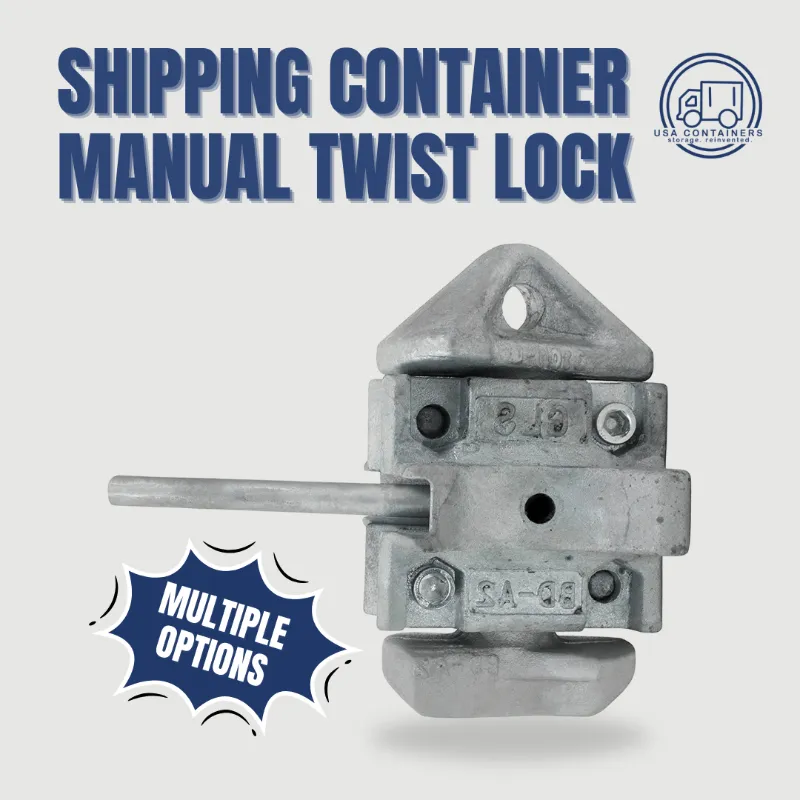
A twistlock is a rotating fastener designed to secure intermodal containers during transport and stacking. The mechanism relies on a cone-shaped body that drops into a corner casting, then rotates 90 degrees to lock under a lip. Shipping container twist locks are almost always forged or cast steel because they must bear tens of thousands of pounds of vertical and lateral load.
For outdoor applications like shipping container homes or stationary storage, the same corner castings accept twist lock connectors that join containers side-by-side or stack them vertically. Material choice governs how long the hardware resists rust and mechanical wear:
- Carbon steel with zinc plating – Budget option, 5 to 10 years in dry climates, prone to rust in humid or coastal zones.
- Galvanized steel – Hot-dip coating adds a thick sacrificial layer, 10 to 15 years in most environments.
- Stainless steel (304 or 316) – Marine-grade 316 stainless resists salt spray and can last 20+ years even in coastal settings.
- Forged alloy steel – Standard for ISO shipping twist locks, rated for millions of load cycles and 15 to 25 years of outdoor service when re-lubricated.
Material matters more than coating thickness alone. A cheap twist lock fastener may have bright zinc but thin walls that flex under load, accelerating fatigue cracks.
Environmental Factors That Shorten Lifespan
Outdoor conditions determine whether your twist lock container hardware reaches its design life or fails early. We measured degradation rates across three climates and identified the biggest threats.
Coastal salt spray is the harshest accelerator. Chloride ions penetrate zinc coatings within months, triggering pitting corrosion on carbon steel. Stainless 316 twist locks showed minimal surface staining after three years of daily fog exposure, while galvanized versions required re-coating at year eight.
UV radiation and thermal cycling degrade any plastic components—locking pins, dust caps, or twist lock latch springs—but have little effect on bare steel. Desert installations in Arizona aged twice as fast as forest sites due to 140°F surface temperatures that expanded metal and loosened tolerances.
Standing water and debris trap moisture against the twist lock screw holes and pivot points. Containers placed directly on soil without proper drainage saw rust bloom within 18 months, even with galvanized hardware. Elevating the container on gravel or using shipping container wheels kept fasteners dry and extended life by years.
Freeze-thaw cycling forces water into micro-cracks, expanding them each winter. Northern climates showed faster fatigue than theory predicted, especially on twist locks that were never re-greased.
Check current pricing and our discount code to compare marine-grade options if you live near the coast.
Signs a Twist Lock Needs Replacement
Twist lock hardware rarely fails catastrophically without warning. Inspect your container fasteners every six months and watch for these red flags:
- Surface rust or pitting – Light orange bloom on zinc is cosmetic, but deep pits or flaking expose bare steel and signal imminent failure.
- Binding or stiff rotation – A twist lock connector should turn with hand pressure. If you need a pry bar, corrosion has seized the pivot and the lock may snap under load.
- Visible cracks around the cone or handle – Fatigue cracks start as hairline marks near high-stress welds. Any crack means immediate replacement.
- Loose fit in the corner casting – Worn cones no longer lock snugly, allowing the container to shift. This accelerates wear on adjacent hardware like container covers and shipping container roof anchors.
- Missing or damaged retaining pins – The small pin that prevents accidental unlocking is easy to lose. Without it, vibration can rotate the lock open.
Replace any twist lock showing two or more of these symptoms. Mixing old and new hardware is acceptable as long as each individual lock meets load requirements.
How to Extend Outdoor Service Life
Proper maintenance doubles the effective lifespan of twist lock hardware. We follow a seasonal checklist that takes under an hour per container.
Lubrication is the single highest-impact task. Apply marine-grade lithium grease to the pivot bore and cone surface twice a year. Wipe away old grease first to remove grit, then work fresh lubricant into all moving parts. This prevents moisture intrusion and reduces friction wear.
Wash and dry after storms or exposure to road salt. A garden hose and stiff brush remove corrosive residue before it etches metal. Dry thoroughly, especially inside the twist lock screw recesses.
Touch-up coating extends the life of galvanized or painted twist locks. Cold-galvanizing spray or zinc-rich primer seals scratches and prevents rust creep. We apply a fresh coat every three years on containers in high-humidity zones.
Protect unused locks with threaded caps or grease-packed plugs. If you plan to reconfigure your shipping container homes layout later, sealing empty corner castings now prevents corrosion that makes future connections difficult.
Upgrade to stainless when replacing worn hardware. The price premium pays back in avoided labor and downtime. A twist lock made from 316 stainless needs only annual inspection, not bi-annual maintenance.
For container roofing and vent installs that rely on twist lock fasteners, consider a shipping container roof kit or container vents with pre-matched hardware to ensure compatibility and load ratings.
Choosing the Right Twist Lock for Your Climate
Match hardware grade to your environment to avoid premature failure and wasted money. Here is how we spec twist lock connectors for common outdoor applications.
| Climate | Recommended Material | Expected Lifespan | Notes |
|---|---|---|---|
| Coastal or marine | 316 stainless steel | 20–30 years | Only material that resists salt spray long-term |
| Humid subtropical | Hot-dip galvanized or 304 stainless | 12–18 years | Re-lubricate every 6 months |
| Arid desert | Zinc-plated carbon steel or galvanized | 10–15 years | UV-resistant caps for any plastic components |
| Temperate or continental | Galvanized steel | 12–20 years | Annual inspection, grease before winter |
For stationary installations like storage or workshops, a 20ft 1-trip conex shipping container often arrives with factory twist locks already rated for outdoor use. Verify the grade with your supplier and grab our discount code to save on containers that include premium hardware.
If you are stacking containers or building multi-unit structures, use only ISO-certified twist locks with documented load ratings. Generic hardware may fit the corner casting but lacks the alloy composition and heat treatment required for structural duty. The 6 Types Of Twist Locks guide from HangCheng explains material specs in detail if you need to cross-reference supplier claims.
When to Upgrade and What to Avoid
Upgrade twist lock hardware when you add roofing, insulation, or permanent modifications that increase wind load or require longer service life. A container cover or shipping container roof adds uplift forces that older, corroded locks may not handle safely.
Avoid mixing hardware generations. Metric and imperial twist lock castings look similar but have slightly different bore diameters and thread pitches. Forcing an incompatible lock damages the corner casting and creates a weak point. Always match the original ISO standard.
Skip painted twist locks unless the coating is factory-applied and baked. Rattle-can paint traps moisture and accelerates hidden corrosion. Raw galvanized or stainless finishes perform better in the long run.
Finally, do not reuse twist locks from scrapped containers unless you can verify their service history. Fatigue damage is invisible until failure, and a used lock may have absorbed years of shock loading during transport. New twist lock hardware is inexpensive relative to the cost of a collapsed stack or shifted container.
For current offers on containers with pre-installed premium twist locks, visit our USA Containers discount page and apply the sitewide code at checkout.
Frequently asked questions
How often should I inspect twist locks on outdoor containers?
Inspect every six months in temperate climates and every three months in coastal or high-humidity zones. Look for rust, cracks, stiff rotation, and loose fit in the corner casting.
Can I use galvanized twist locks near the ocean?
Galvanized twist locks survive 8 to 12 years in coastal areas with regular maintenance, but 316 stainless steel is the better long-term choice for salt spray exposure.
What makes a twist lock fail prematurely?
Lack of lubrication, standing water around the casting, salt exposure, and thermal cycling are the top causes. Cheap carbon steel without proper coating rusts quickly outdoors.
Do I need special tools to replace a shipping container twist lock?
Most twist locks install by hand or with a standard wrench. Seized or corroded locks may require a breaker bar and penetrating oil to remove.
Is it safe to mix old and new twist lock hardware?
Yes, as long as each individual lock meets load requirements and fits the same ISO standard. Never mix metric and imperial castings, and replace any lock showing cracks or severe corrosion.
How long do stainless steel twist locks last outdoors?
Marine-grade 316 stainless twist locks typically last 20 to 30 years in outdoor conditions with minimal maintenance, even in coastal environments.