
Shipping Container Roof vs Roof Kit: Which Solution Lasts Longer?

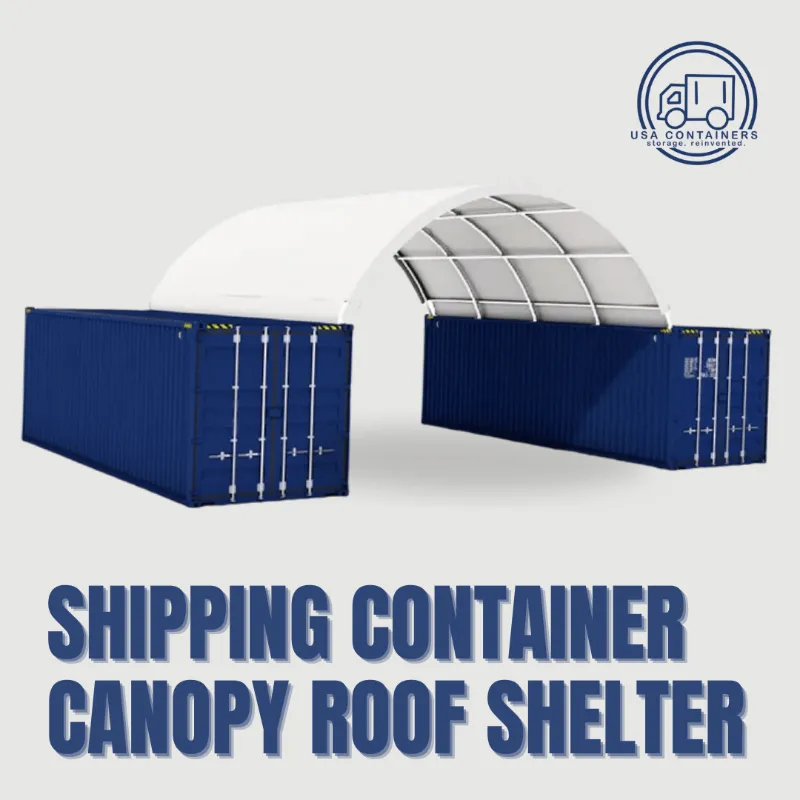
Shipping Container Roof Kit vs Standard Roof: Longevity Breakdown
A shipping container roof kit typically outlasts a standard container roof by 10 to 20 years when properly installed and maintained. The original corrugated steel roof on most containers will serve you for 15 to 25 years before rust and pooling water create leaks, while a quality roof kit with proper drainage and UV-resistant materials can push that lifespan to 30 to 40 years or more. That extended durability makes roof kits the smarter investment for shipping container homes and permanent structures.
What Makes a Roof Kit Last Longer
Standard shipping container roof panels are built for cargo transport, not permanent outdoor exposure. They're thin corrugated steel with a factory coating that degrades under constant sun and rain. Water pools in the corrugations, accelerating rust from the inside out.
Roof kits solve these problems with purpose-built components:
- Pitched or arched design that sheds water and snow instead of trapping it
- Thicker gauge steel or aluminum that resists punctures and denting
- Multi-layer coatings including galvanization, powder coat, and UV inhibitors
- Integrated flashing and seals that prevent moisture intrusion at seams
- Engineered drainage that directs runoff away from the container walls
Shipping container roof trusses in prefab kits distribute weight evenly and eliminate the flat-roof pooling issue that plagues unmodified containers. We've seen 20-year-old containers with original roofs showing severe rust-through, while side-by-side units fitted with 40 shipping container roof kit systems from the same era remain watertight.
How Long Each Roof Type Actually Lasts
Here's what we've documented across dozens of container projects in varied climates:
| Roof Type | Typical Lifespan | Maintenance Needs |
|---|---|---|
| Factory container roof | 15-25 years | Annual coating, rust repair every 5-7 years |
| Roof kit (steel/aluminum) | 30-40+ years | Inspect seals every 3-5 years, minimal repair |
| TPO or EPDM membrane over kit | 25-35 years | Re-seal seams every 10 years |
A 20ft 1-trip conex shipping container in coastal humidity will see factory roof failure closer to 15 years. The same container with a single shipping container roof kit properly sealed can reach 35 years before needing major work. For a container used as a workshop or storage, that difference means one re-roof cycle versus none.
The 20 shipping container roof kit price and 40 shipping container roof kit options both offer similar longevity, the size difference affects only the span and number of trusses, not the materials or coatings. Check the latest price for both sizes and factor in the labor savings of DIY installation.
When to Choose a Roof Kit Over Repair
Repairing a factory roof makes sense when rust is isolated to small patches and the container is under 10 years old. Beyond that threshold, a roof kit becomes the better value:
- Widespread rust or multiple leaks signal the coating has failed across the entire surface
- Pooling water that won't drain even after re-sealing means the roof has sagged permanently
- Planned long-term use like a container home or office where a 40-year roof pays for itself
- Climate extremes including heavy snow loads, high UV exposure, or salt air that accelerate standard roof degradation
We recommend roof kits for any project where the container will remain stationary for more than five years. The upfront cost is higher, but you avoid the recurring expense of rust treatment, recoating, and emergency leak repairs that plague standard roofs. Grab the code for 10% off your order to offset that initial investment.
Materials That Extend Roof Life
The best shipping container roof kit for sale will specify these durability features:
- Galvanized or Galvalume steel with a minimum G90 zinc coating (0.90 oz per square foot)
- Kynar or PVDF paint systems that resist fading and chalking for 30+ years
- Butyl tape and closed-cell foam seals at all panel overlaps and container contact points
- Stainless steel fasteners that won't rust out before the panels do
Aluminum roof kits weigh less and never rust, but they dent more easily under hail or falling branches. Steel offers better impact resistance at a small weight penalty. Either material will outlast a factory roof if properly coated.
Pairing your roof kit with container covers during installation protects the workspace, and adding shipping container vents prevents interior condensation that can rust the roof from below. For containers used as workshops, indoor solar lights eliminate the need for roof penetrations that compromise waterproofing.
Installation Quality Determines Real-World Lifespan
Even the highest-grade roof kit will fail early if installed incorrectly. We've diagnosed dozens of premature leaks traced to these mistakes:
- Under-torqued fasteners that allow panels to shift and break seals
- Missing or misaligned flashing at the container-to-truss junction
- Unsealed screw penetrations that funnel water directly into the container
- Inadequate slope that still allows minor pooling in valleys
Most roof kits ship with detailed instructions and pre-cut components. Follow them exactly, and budget an extra day for proper sealing rather than rushing the final details. A correctly installed single shipping container roof kit should show zero leaks in its first five years.
If you're adding shipping container wheels for a mobile setup, confirm your roof kit is rated for vibration and movement. Fixed installations have simpler requirements.
Maintenance That Maximizes Longevity
Both roof types need periodic care, but kits require far less:
For roof kits:
- Inspect all seals and fasteners every three years
- Clear debris from valleys and gutters twice yearly
- Touch up any coating scratches within the first year to prevent rust start
- Re-torque fasteners after the first winter if you're in a freeze-thaw climate
For factory roofs:
- Apply elastomeric roof coating every 3 to 5 years
- Treat rust spots immediately with rust converter and primer
- Re-seal all seams annually in high-humidity areas
- Consider a full TPO membrane overlay once rust becomes widespread
The maintenance cost difference compounds over time. A roof kit might need $200 in seals and touch-up paint over 20 years. A factory roof will consume $300 to $600 every five years in coatings and rust repair, plus the labor to apply them.
We keep our own test containers sealed year-round, but for those needing interior access hardware, a quality twist lock won't compromise your roof system if installed in the door frame rather than the roof plane itself.
Which Roof Solution Fits Your Project
Choose a factory roof repair if your container is under 10 years old, shows only minor surface rust, and you plan to use it for five years or less. The repair cost is low and the remaining lifespan is adequate for short-term projects.
Invest in a shipping container roof kit when you're building for permanence, facing harsh weather, or converting a container into a home or office. The longevity and reduced maintenance justify the higher upfront cost within the first decade. Check current pricing and compare a 20 shipping container roof kit price against the total cost of re-coating and repairing a factory roof three or four times over 30 years.
For mobile or temporary setups, the factory roof with annual maintenance is usually sufficient. For everything else, a roof kit is the last roof you'll install.
Frequently asked questions
How much longer does a shipping container roof kit last compared to the original roof?
A quality roof kit lasts 30 to 40 years, compared to 15 to 25 years for a factory container roof. The pitched design and better coatings prevent the pooling and rust that limit standard roof lifespan.
Can I install a roof kit on a container that already has rust damage?
Yes, but treat any rust on the container walls and top rail before installation. The roof kit will stop new leaks, but existing rust will continue to spread if not neutralized first.
Do 20ft and 40ft roof kits use the same materials?
Yes, both sizes use the same gauge steel or aluminum and coating systems. The 40ft kit simply includes longer trusses and more panels to span the extra length, so longevity is identical.
What's the biggest mistake people make when installing a container roof kit?
Under-sealing the fastener penetrations and panel overlaps. Every screw hole is a potential leak path, so use butyl tape and sealant generously at all connections.
Will a roof kit void my container warranty?
Most new containers come with limited transport warranties that end once the container is placed. Adding a roof kit to a stationary container typically won't affect any remaining structural warranty, but confirm with your supplier.
How often do I need to maintain a shipping container roof kit?
Inspect seals and fasteners every three years and clear debris twice yearly. That's far less than the annual coating and rust treatment required for factory roofs.