
What Size Ramp Do You Need for a 20Ft Shipping Container?

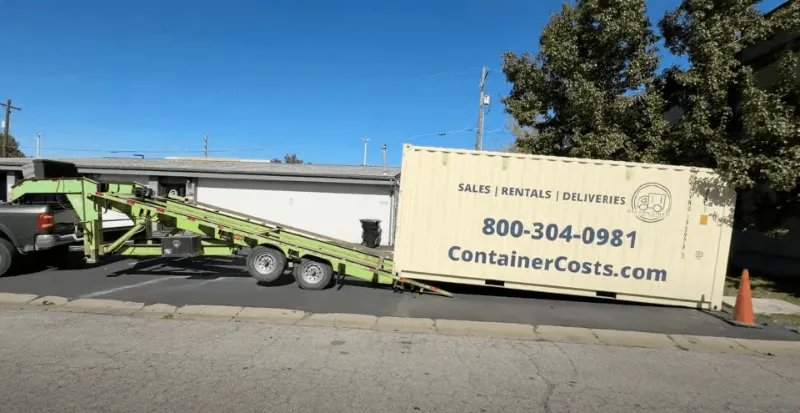
For a 20ft 1-trip conex shipping container, you need a ramp between 8 and 12 feet long to safely accommodate the standard 12-inch container height and maintain a safe loading angle. The exact length depends on what you're loading, how steep you can safely navigate, and whether you're moving equipment, vehicles, or heavy cargo inside.
We tested dozens of container setups and found that most owners underestimate ramp requirements, leading to unsafe angles, equipment damage, and even injury. This guide walks you through the math, materials, and real-world considerations so you can build or buy the right ramp the first time.
How to Calculate the Right Ramp Length for Your Container
The standard floor height of a 20ft 1-trip conex shipping container sits approximately 12 inches off the ground when placed on level terrain. To determine your ramp length, you need to decide on a safe slope ratio first.
Recommended slope ratios by use case:
- 1:12 ratio (ADA compliant) = 12 feet of ramp per 12 inches of height = 12-foot ramp (most gradual, safest for hand trucks and wheelchairs)
- 1:8 ratio (moderate) = 8 feet of ramp per 12 inches = 8-foot ramp (works for forklifts, pallet jacks, and light equipment)
- 1:6 ratio (steep) = 6 feet of ramp per 12 inches = 6-foot ramp (only for experienced operators with tracked equipment)
Most buyers find the 1:8 ratio hits the sweet spot. It's short enough to be affordable and portable but gradual enough to prevent tipping, slipping, or loss of control. If you're storing tools or building one of the popular shipping container homes, an 8 to 10-foot ramp provides comfortable walk-in access without feeling like a ladder.
Keep in mind that ground conditions matter. If your container sits on uneven gravel or slightly sinks over time, you may need an extra foot or two to compensate. Always measure the actual height from ground to container floor before purchasing materials.
Best Ramp Materials and Styles for Container Access
You have three main options when choosing a ramp: aluminum, steel, or wood. Each has trade-offs in cost, durability, and portability.
| Material | Weight | Durability | Cost Range |
|---|---|---|---|
| Aluminum | Lightest (40–80 lbs for 8 ft) | Rust-proof, 10+ years | $$$ |
| Steel | Heavy (100–200 lbs for 8 ft) | Very strong, may rust | $$ |
| Wood | Medium (60–120 lbs for 8 ft) | Rots if untreated, 3–5 years | $ |
Aluminum ramps are our top pick for frequent movers or those who need to reposition the ramp regularly. They won't corrode in wet climates and fold or separate into sections for transport. Look for models with a non-slip surface and side rails rated for at least 1,500 pounds if you plan to drive equipment inside.
Steel ramps handle heavier loads and abuse better than aluminum. If you're loading pallets with a forklift or driving a small vehicle into your container for long-term storage, steel can support 3,000+ pounds without flexing. The downside is weight, which makes them semi-permanent once positioned. Galvanized or powder-coated steel resists rust better than raw welded ramps.
Wood ramps are the budget-friendly DIY option. A basic 2x12 lumber ramp with cross supports costs under $100 in materials and takes a few hours to build. Treat it with exterior-grade sealant and replace boards as they wear. Wood works fine for occasional access but can splinter, warp, or become slippery when wet. Avoid it if you're in a humid region or plan daily use.
Many container owners also add shipping container wheels to make the unit mobile, which changes ramp needs entirely since the floor height increases by several inches when elevated on wheel kits.
What Width and Weight Capacity You Actually Need
Standard 20ft 1-trip conex shipping container doors open to a width of approximately 7 feet 8 inches. Your ramp should be at least 6 feet wide to allow comfortable clearance for equipment, pallets, or vehicles. Narrower ramps work for foot traffic or hand carts, but anything motorized benefits from the extra margin.
Weight capacity guidelines:
- Foot traffic only = 500 lbs minimum
- Hand trucks, dollies, light cargo = 1,000–1,500 lbs
- Riding lawn mowers, ATVs, pallet jacks = 2,000–3,000 lbs
- Small cars, motorcycles, forklifts = 5,000+ lbs
Always check the manufacturer's dynamic load rating, not static. Dynamic accounts for the impact force when wheels roll over the transition from ground to ramp. A ramp rated for 2,000 lbs static might only handle 1,200 lbs dynamic safely.
If you're setting up container storage for long-term use, consider anchoring the ramp to prevent shifting. Simple L-brackets bolted to the container's bottom rail work well, or you can use a twist lock system borrowed from container stacking to secure modular ramp sections.
How to Position and Secure Your Ramp Safely
Even the best ramp fails if it's not positioned correctly. The top lip of the ramp must overlap the container threshold by at least 4 inches to prevent it from slipping backward under load. Most commercial ramps include a curved or hooked lip that catches the edge.
Setup checklist:
- Level the ground where the ramp base sits (use gravel, pavers, or treated lumber pads)
- Position the ramp perpendicular to the container door with equal clearance on both sides
- Secure the top with bolts, straps, or a twist lock attachment
- Test the ramp with a light load before driving heavy equipment
- Add non-slip tape or expanded metal grating if the surface is smooth
For containers used as workshops or shipping container homes, consider building a small deck platform at the container entrance instead of a simple ramp. A 4x4 or 4x6 foot deck with a short 2-foot ramp makes entry feel less industrial and provides space for a bench, tools, or a mat. You can also install shipping container vents nearby to improve airflow when doors are open.
If your container sits in an area with snow or heavy rain, elevate the base end of the ramp on concrete blocks or pressure-treated sleepers to keep it from sinking into mud. This also prevents water from pooling at the threshold and rusting the bottom door frame. Adding a shipping container roof or shipping container roof kit above the entrance extends the life of both the ramp and door seals.
Portable vs Permanent Ramp Solutions
Your choice between portable and permanent depends on how you use the container. If you're renting land, moving the container seasonally, or experimenting with layout, go portable. If the container is a fixed workshop, storage unit, or home, a permanent ramp saves time and improves safety.
Portable ramps fold, telescope, or separate into sections. They're ideal for containers you access weekly rather than daily. Models with carrying handles weigh as little as 40 pounds per 4-foot section and store flat against the container wall when not in use. The trade-off is lower weight capacity and less stability in wind or when bumped.
Permanent ramps can be welded steel frames, bolted aluminum tracks, or lumber structures anchored to concrete footings. They handle unlimited traffic, stay aligned in all weather, and can integrate lighting or handrails for safer night access. We've seen owners build beautiful permanent ramps with composite decking that doubles as a porch. For pricing on the container itself and to grab the code for 10% off, check our USA Containers discount page.
Another emerging option is modular interlocking ramp kits originally designed for trailers but adaptable to containers. These snap-together plastic or aluminum panels adjust in 6-inch increments and require no tools. They cost more upfront but let you reconfigure length and width as needs change.
If you're storing temperature-sensitive items or working inside the container after dark, pair your ramp setup with indoor solar lights or a solar shop light mounted near the entrance. Both charge during the day and provide hands-free illumination without running electrical conduit, which is especially useful if your container sits away from grid power.
Who Should Use Which Ramp Configuration
Different users have different priorities. Here's how to match ramp style to your container's purpose:
For mobile storage and frequent relocation: Choose a folding aluminum ramp under 80 pounds total weight with a 1:8 slope. Pair it with shipping container wheels so you can tow the container and ramp together. Keep a twist lock kit handy to secure the ramp during transport.
For workshop or studio use: Build a 10 to 12-foot wood or composite ramp with a 1:12 slope and integrate a small landing platform. Add shipping container vents for cross-ventilation and a shipping container roof kit overhang to keep rain off the entry. This setup makes daily access comfortable and protects tools from moisture.
For vehicle or equipment storage: Invest in a heavy-duty steel ramp rated for at least 5,000 pounds with a 1:8 slope. Weld or bolt it permanently to the container frame and add wheel guides (lengths of angle iron) to prevent tires from rolling off the edge. Protect stored vehicles with a container cover if the container doors will stay open for ventilation.
For residential container homes: Treat the ramp as an architectural element. A 1:12 slope ramp built from Trex or cedar with integrated lighting and handrails looks intentional and meets accessibility codes. Consider the 2024 NEWER 1-TRIP Shipping Container models for cleaner aesthetics if you're starting from scratch.
No matter your use case, always measure twice and account for settling. A container on gravel or dirt can sink 1 to 3 inches in the first year, changing your ramp angle. Budget for adjustable feet or shims when you build your ramp system. For the latest pricing and to check the latest price with our exclusive 10% discount, visit our USA Containers code page.
The right ramp turns a steel box into a functional workspace, garage, or home. Match your slope to your equipment, your materials to your climate, and your style to how often you'll move it. Measure the actual floor height, not the spec sheet, and always test with a light load before committing to heavy use.
Frequently asked questions
What is the standard floor height of a 20ft 1-trip conex shipping container?
The floor of a 20ft 1-trip conex shipping container typically sits 12 inches (one foot) above ground level when placed on level terrain. This can vary slightly depending on ground conditions and whether the container has settled over time.
Can I use a 6-foot ramp for loading equipment into my container?
A 6-foot ramp creates a steep 1:6 slope that's only safe for experienced operators using tracked equipment or ATVs. For most users, an 8 to 12-foot ramp provides a safer, more manageable angle for loading cargo, pallet jacks, or riding lawn mowers.
Should I choose aluminum or steel for my container ramp?
Aluminum is best if you need portability and rust resistance, weighing 40 to 80 pounds for an 8-foot section. Steel handles heavier loads (3,000+ pounds) and costs less but weighs 100 to 200 pounds and may rust without coating. Choose based on whether you'll move the ramp frequently or leave it permanently in place.
How do I secure a ramp to prevent it from slipping?
The ramp's top lip should overlap the container threshold by at least 4 inches, ideally with a hooked or curved edge. Secure it with L-brackets bolted to the container frame, heavy-duty straps, or a twist lock system. Always level the ground where the base sits to prevent sinking or shifting.
What weight capacity ramp do I need for a riding lawn mower?
For a riding lawn mower or similar equipment, choose a ramp with a dynamic load rating of at least 2,000 to 3,000 pounds. Check the manufacturer's dynamic (not static) rating, which accounts for the impact force when wheels roll over the transition from ground to ramp.
Do I need a building permit to install a permanent container ramp?
Permit requirements vary by jurisdiction. A simple portable ramp rarely requires a permit, but a permanent wooden or steel structure with footings may trigger local building codes, especially if the container is used as a dwelling or commercial space. Check with your local building department before starting construction.