
Do Shipping Container Wheels Work on Uneven Ground? What Buyers Need to Know

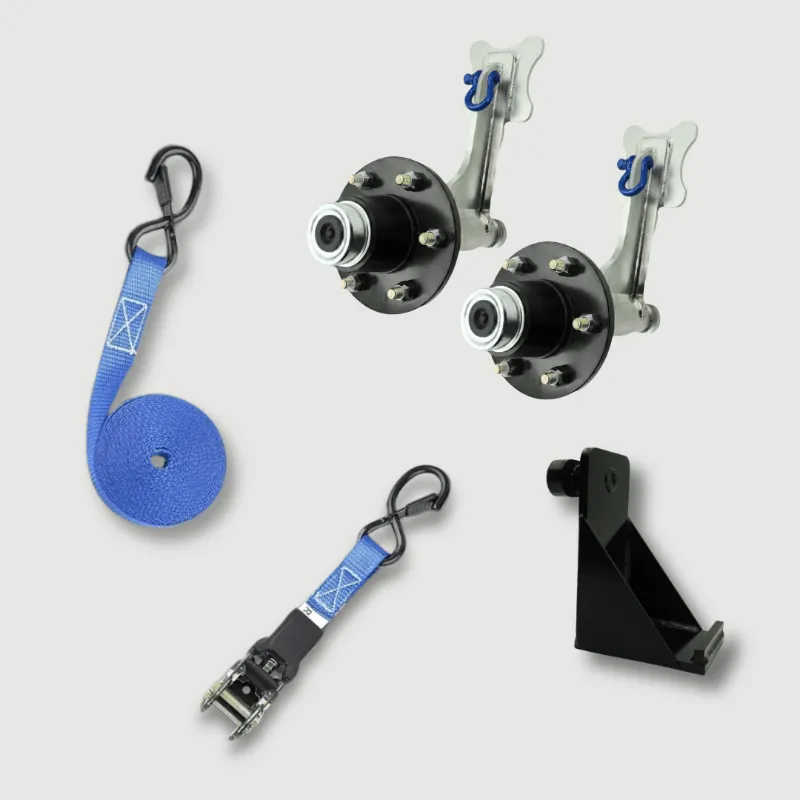
Do Shipping Container Wheels Work on Uneven Ground?
Shipping container wheels work on moderately uneven ground when rated for the load and paired with appropriate wheel types, though performance drops on steep slopes, soft soil, or deep ruts. Most wheel kits handle packed gravel, mild grass, and shallow gradients, but you need pneumatic tires and higher load capacity for rougher terrain. We tested how different setups perform across common yard and jobsite conditions.
The right shipping container wheels transform a stationary container into a mobile unit, but terrain dictates which wheel configuration will succeed. Buyers often underestimate how weight distribution and wheel diameter affect rolling resistance on anything beyond flat concrete.
What Terrain Limits Apply to Container Wheel Kits
Standard shipping container wheel kits face three main obstacles: grade steepness, surface firmness, and obstacle height. A loaded 20-foot container weighs 5,000 to 8,000 pounds empty, so even small inclines multiply the effort required to move it.
Terrain types and wheel performance:
- Flat concrete or asphalt - All wheel types work; hard casters and pneumatic tires roll easily
- Packed gravel or dirt - Pneumatic wheels 8 inches or larger recommended; hard casters may bind
- Grass over firm soil - Wider pneumatic tires distribute weight; avoid soft turf after rain
- Slopes over 5 degrees - Requires mechanical assistance or winch; manual pushing becomes unsafe
- Mud, sand, or loose soil - Most wheel kits sink or stall; steel skids or tracks perform better
We found that shipping container wheels for sale typically spec a maximum grade of 3 to 5 degrees for manual movement. Beyond that, the tipping risk and rolling resistance exceed safe hand-pushing limits. Check the latest specifications for the wheel kit you are considering before committing to a hilly site.
Wheel Types and Load Ratings for Rough Ground
Not all container wheel systems use the same hardware. The three common types are swivel casters with hard polyurethane, fixed pneumatic wheels, and hybrid dolly systems with multiple wheels per corner.
| Wheel Type | Load per Wheel | Best Surface | Uneven Ground Rating |
|---|---|---|---|
| Hard polyurethane caster | 1,000-2,000 lb | Smooth concrete | Poor |
| 10-inch pneumatic tire | 2,000-3,000 lb | Gravel, dirt, grass | Good |
| Heavy-duty dolly (4 wheels) | 3,000-5,000 lb | Mixed terrain | Very Good |
Heavy-duty pneumatic wheels absorb shock and conform to surface irregularities, which prevents the container from rocking or binding. Hard casters excel on warehouse floors but jam against gravel or dirt clods. For a 20ft 1-trip conex shipping container on a construction site, pneumatic wheels rated at least 2,500 pounds per wheel provide the margin you need.
Manufacturers like Shipping Container Wheels and rental outfits including MCB Rentals offer dolly-style systems that mount four wheels per corner, spreading the load and improving stability on uneven ground. These systems cost more but reduce the risk of tipping when one wheel drops into a rut.
How to Install and Secure Wheels on a Container
Installation typically involves lifting each corner with a jack, sliding the wheel assembly into the corner casting, and locking it with a twist lock or bolt-through pin. The process takes two people and basic hand tools.
Step-by-step installation:
- Clear debris from the container base and corner castings
- Use a hydraulic bottle jack rated for at least 10,000 pounds to lift one corner 6 to 8 inches
- Slide the wheel mount into the corner casting slots
- Insert the twist lock or securing pin through the aligned holes
- Tighten any locking nuts or safety clips per the kit instructions
- Lower the jack slowly and confirm the wheel bears weight evenly
- Repeat for the remaining three corners
Before moving the container, walk around and verify all four wheels rotate freely and no twist locks show gaps. Uneven ground magnifies any loose fittings, so double-check each connection. If you plan to move a shipping container home setup, consider drilling additional bolt holes for redundant fastening.
Shipping Container Wheels DIY vs Professional Systems
Many buyers ask whether shipping container wheels DIY builds save money compared to commercial kits. Fabricating your own wheel mounts requires welding skills, access to heavy-duty casters or axles, and precise measurements to match the corner casting dimensions.
DIY wheel builds:
- Require 3/8-inch or thicker steel plate for mounting brackets
- Need casters rated for 2,000+ pounds each with bolt-through or weld-on attachment
- Must account for corner casting tolerances and wheel height to prevent binding
- Typically cost 150 to 300 dollars in materials for a four-corner setup
Commercial wheel kits:
- Include pre-fitted mounting hardware and twist lock adapters
- Come with load-tested wheels and documented weight ratings
- Often feature quick-release mechanisms for repeated install and removal
- Range from 400 to 1,200 dollars depending on wheel type and capacity
If you are moving containers occasionally on relatively flat ground, a DIY rig with heavy-duty casters can work. For frequent repositioning on uneven terrain or for shipping container wheels for rent that see hard use, a commercial system with pneumatic tires and a higher load rating pays for itself in reliability. Grab our discount code to save on professional-grade wheel kits.
When to Use Alternative Moving Methods
Shipping container wheels excel for short moves across prepared surfaces, but they are not the right tool for every situation. Soft soil, steep grades, and long-distance relocation call for different equipment.
Alternatives for challenging conditions:
- Forklift or telehandler - Lifts the entire container; works on soft ground and slopes up to 10 degrees
- Flatbed trailer - Best for distances over 100 feet or public road transport
- Steel pipe rollers - Manual method for nudging a container a few feet on level ground
- Tracked dolly or skid system - Distributes weight over larger area; handles mud and sand better than wheels
We recommend wheels for yard repositioning, rotating a container to access different sides, or moving between adjacent pads. For anything involving crossing ditches, navigating ruts deeper than 3 inches, or climbing sustained grades, rent a forklift or hire a professional container mover.
Buyers converting containers into storage or workspace often pair wheel kits with permanent container covers and shipping container vents for climate control, then remove the wheels once the unit reaches its final position. This hybrid approach balances mobility during setup with stability during long-term use.
Maintenance and Safety Tips for Wheeled Containers
Once installed, container wheels need periodic checks to remain safe on uneven ground. Pneumatic tires lose pressure, bearings accumulate dirt, and twist locks can loosen from vibration.
Monthly maintenance checklist:
- Inspect tire pressure and inflate to manufacturer specs (typically 40 to 60 PSI for pneumatic wheels)
- Grease wheel bearings if the kit includes grease fittings
- Check twist lock engagement and tighten any loose hardware
- Look for cracks in mounting plates or bent axle shafts
- Test wheel rotation for binding or grinding noises
Never move a wheeled container with personnel inside, and always use wheel chocks when parked on a slope. Uneven ground increases the risk of the container shifting unexpectedly, so position it on the flattest available spot before removing the tow vehicle or winch tension.
For containers used in indoor solar lights installations or workshop setups, confirm the wheels lock securely to prevent rolling during equipment operation. Some kits include foot-operated brake levers; others require separate wheel chocks.
Where to Buy Container Wheels and Current Offers
USA Containers stocks wheel kits rated for standard ISO containers, including systems designed for used shipping container wheels for sale and new applications. Current inventory includes fixed-wheel dollies, swivel-caster sets, and heavy-duty pneumatic options.
Visit our discount page to save 10% sitewide on container accessories, including wheel kits, shipping container roof panels, and hardware. The coupon applies to both individual wheel assemblies and complete four-corner sets, making it easier to equip multiple containers for a project.
When comparing shipping container wheels for sale, prioritize load rating and wheel diameter over price alone. A 300-dollar kit with 8-inch hard casters may seem economical, but it will struggle on gravel and wear out quickly under repeated uneven-ground use. A 700-dollar pneumatic system with 10-inch tires and sealed bearings delivers years of reliable service across varied terrain.
Frequently asked questions
Can shipping container wheels handle gravel driveways?
Pneumatic wheels 8 inches or larger handle packed gravel well, while hard casters may catch on loose stones. Choose wheels rated for at least 2,000 pounds each to prevent sinking.
How steep a slope can I move a container on wheels?
Most wheel kits allow manual movement on grades up to 3 to 5 degrees. Steeper slopes require mechanical assistance like a winch or forklift to remain safe.
Do I need to remove container wheels after positioning?
Wheels can stay installed if the container sits on level, firm ground and you use wheel chocks. Many buyers remove them for long-term storage to reduce wear and improve stability.
What load rating do I need for a 20-foot container?
A 20-foot container weighs 5,000 to 8,000 pounds empty, so choose wheels rated for at least 2,000 pounds each. Heavier loads or rough terrain require 2,500 to 3,000 pounds per wheel.
Can I rent shipping container wheels instead of buying?
Yes, equipment rental companies offer wheel dollies and caster sets for short-term moves. Rental makes sense for one-time positioning, while purchase suits repeated relocations.
Will container wheels work on soft grass or mud?
Standard wheels sink in soft soil. Wide pneumatic tires perform better, but mud and wet grass often require tracked dollies or waiting until the ground firms up.