
How to Choose the Right Display Plinth for Your Miniatures and Models

What Is a Plinth Base and Why Use One for Miniatures
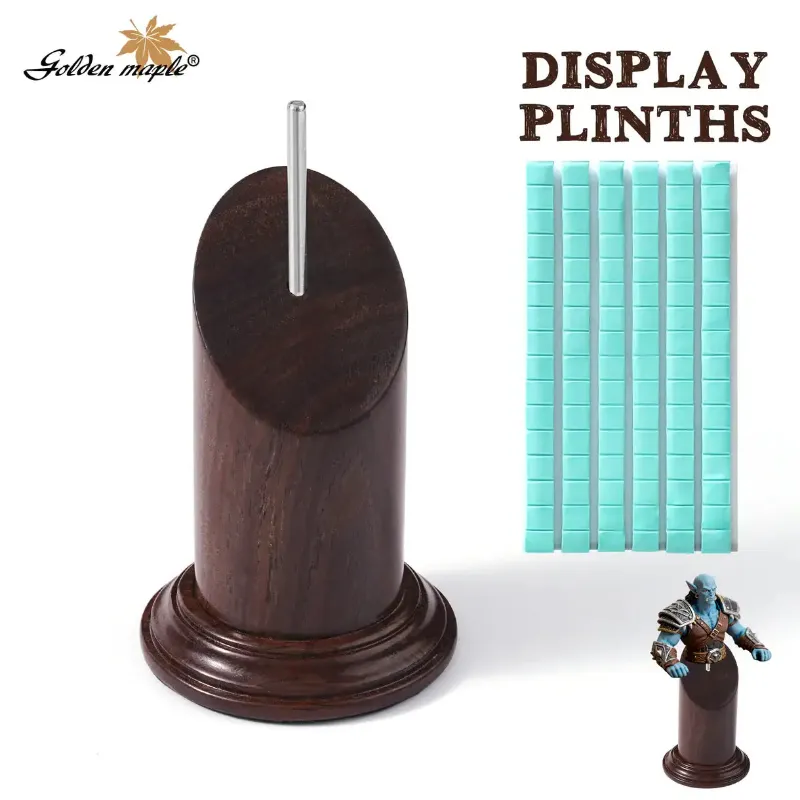
A plinth base is a raised platform that elevates your miniatures, models, or painted figures for better visibility and presentation. We use display plinths to showcase our finished work, photograph models at eye level, and create professional-looking displays that keep dust and handling damage to a minimum. Whether you paint tabletop wargaming miniatures, scale models, or collectible figures, a good plinth transforms a painted piece from desktop clutter into a gallery-worthy display.
The right display stand depends on your miniature's size, weight, and how you plan to show it off. Some collectors want rotating plinths for 360-degree viewing, while others need stackable bases for shelf efficiency. We tested dozens of options to help you match the plinth to your collection.
Plinth Base Size and Miniature Scale
Your miniature's footprint and height determine which plinth base works best. A 28mm heroic-scale miniature needs far less surface area than a 75mm display bust or a 1:35 scale tank model.
Common plinth dimensions by miniature scale:
| Miniature Scale | Recommended Plinth Diameter/Width | Typical Height |
|---|---|---|
| 28-32mm single figure | 40-60mm | 20-30mm |
| 54-75mm display bust | 80-100mm | 30-50mm |
| Large vehicle/diorama | 120mm+ | 40-60mm |
Match the plinth diameter to your model's base with at least 10mm of clearance on all sides. This prevents the figure from looking cramped and gives you room to add a nameplate or label. For dioramas or vignettes, choose a plinth width that frames the scene without cutting off any elements.
Height matters for photography and display shelves. Taller plinths (40mm+) bring eye-catching details to viewer height but may not fit under standard shelf spacing. We use 25-30mm plinths for most single miniatures because they elevate the model without dominating the composition.
Material Options: Wood Plinth Base vs Acrylic vs Resin
Wood plinth base options offer classic aesthetics and easy customization. Hardwoods like walnut, oak, and cherry accept stains and finishes beautifully, and you can drill mounting holes or add brass plaques without special tools. Wood feels substantial and suits traditional display cases or competition entries. The downside is weight—larger wood plinths add bulk if you transport models to conventions or game nights.
Acrylic plinths provide modern, minimalist presentation. Clear acrylic disappears visually, letting the miniature take center stage, while black or frosted acrylic creates bold contrast. Acrylic is lightweight and scratch-resistant, ideal for rotating display cases or traveling. However, it shows fingerprints easily and can look cheap if edges aren't polished.
Resin and 3D-printed bases let you customize texture, color, and integrated scenic elements. You can print a plinth with built-in ruins, nameplates, or magnetic attachment points. We use resin plinths when the base needs to match a specific theme—grimdark, fantasy forest, sci-fi deck plating. The tradeoff is durability; resin chips more easily than wood or acrylic under rough handling.
For our personal collection, we prefer wood for hero pieces and competition models, acrylic for rotating photography setups, and resin for thematic dioramas.
Stability and Mounting Methods
A wobbly plinth ruins an otherwise perfect paint job. Miniatures tip over during transport, photography, or even from shelf vibration if the mounting isn't secure.
Mounting options ranked by stability:
- Pinning: Drill a small hole in both miniature base and plinth, insert a brass or steel pin, and glue. This is our go-to method for metal or resin miniatures over 50g. Use a miniature tool kit with pin vise and drill bits sized to your pin gauge.
- Rare-earth magnets: Embed 3-5mm neodymium magnets in both base and plinth. Models detach for safe transport, and magnetic hold is strong enough for figures up to 100g. We use this for our gaming miniatures that double as display pieces.
- Adhesive pads: Museum putty or foam tape works for lightweight plastic miniatures under 30g. It's removable and won't damage paint, but it's not reliable for tall or top-heavy models.
- Screws from below: Drill up through the plinth into a threaded insert in the miniature's base. This creates rock-solid attachment for heavy resin busts or large vehicles but makes the model permanent.
Test stability by gently tapping the plinth edge. If the miniature wobbles or shifts, upgrade your mounting method before displaying it on a high shelf or entering it in competition.
Display Context: Shelves, Cases, and Photography
Where you plan to show your miniatures shapes which plinth works best. A rotating display case needs a different base than a static bookshelf or a photo lightbox.
For shelf displays, choose plinths with flat, wide footprints that won't tip. Dark wood or black acrylic provides visual weight and frames the miniature against light-colored shelving. Stackable plinths maximize vertical space in shallow cabinets—we arrange ours in tiered rows so every model remains visible.
For photography and painting showcases, use neutral-colored plinths that won't cast color reflections onto your miniature. White, gray, or natural wood works best. A rotating plinth (manual or motorized) lets you capture 360-degree turntable videos without touching the model. We keep one dedicated photo plinth at our painting desk for work-in-progress shots.
For conventions and competition, portability trumps aesthetics. We use lightweight acrylic plinths with magnetic mounts so models detach for padded transport. Add a label or engraved nameplate to the plinth front—judges and viewers appreciate knowing the model name, scale, and painter at a glance.
If you're investing in serious display stands, check the latest price at Golden Maple, where you can grab the code for 10% off all orders, including display bases and plinths.
Matching Plinths to Your Miniature Hobby Setup
Your broader hobby toolkit influences which plinths integrate best. If you already use a wet palette and kolinsky sable brushes for fine detail work, you probably care about presentation quality—those painters tend to prefer premium wood or engraved plinths.
Miniature painters who travel with a travel watercolor kit or pack their setup for painting meetups benefit from modular, magnetic plinth systems that disassemble. Pair these with a miniature tool kit that includes pin vise, files, and drill bits so you can customize plinths on the go.
For airbrushed models or large-scale projects using airbrush paint thinner, oversized wood plinths provide stability for heavier resin kits. These models often weigh 200g or more, and flimsy acrylic won't cut it.
Match your plinth choice to how serious you are about the specific piece. A speed-painted tabletop army doesn't need walnut display bases, but your Golden Demon entry deserves a custom plinthy plinths presentation that highlights months of work.
Customizing and Finishing Your Plinth Base
A plain plinth does the job, but small customizations make your display stand out. We add felt pads to the underside to protect furniture and reduce noise when moving models around. Laser-engraved nameplates give a professional touch—include the miniature name, scale, and your painter tag for competition or social media posts.
Finishing techniques for wood plinth base options:
- Sand to 220-grit, then apply Danish oil or polyurethane for a satin finish
- Stain to match your display cabinet or room decor
- Paint flat black for a gallery-style neutral backdrop
- Add decorative molding or routed edges for Victorian or classical aesthetics
For acrylic, flame-polish edges with a heat gun to eliminate cloudiness, or order pre-polished blanks. Resin plinths accept acrylic paint and washes—we basecoat ours to match the miniature's base terrain for a cohesive look.
The best plinth disappears into the background while elevating your miniature into the spotlight. We keep a variety on hand: simple black acrylic for quick photography, stained walnut for hero models, and themed resin bases for narrative dioramas. Invest in a few versatile options, and your collection will always look display-ready.
Frequently asked questions
What size plinth base do I need for a 32mm miniature?
A 40-60mm diameter plinth with 20-30mm height works best for standard 32mm miniatures. This provides enough clearance around the model's base and elevates it without overwhelming the display.
Can I use wood plinth bases for heavy resin models?
Yes, wood plinths are ideal for heavy resin models because they provide superior stability and weight distribution. Pin or screw the model from below for the most secure attachment on models over 100g.
How do I attach a miniature to an acrylic plinth?
For lightweight plastic miniatures, use museum putty or adhesive foam pads. For heavier models, embed rare-earth magnets in both the miniature base and plinth, or drill and pin through the acrylic into the model.
Are rotating plinths worth it for miniature photography?
Rotating plinths are excellent for capturing 360-degree turntable videos and viewing all angles during photography. They eliminate the need to handle the miniature repeatedly, reducing the risk of paint damage.
What is the difference between a plinth base and a regular display base?
A plinth base is specifically designed as a raised platform for display and presentation, typically with finished edges and mounting options. Regular display bases may refer to the miniature's integral scenic base or gaming base rather than a separate stand.
Can I stack miniatures on plinths for shelf storage?
You can use stackable plinth designs or tiered risers to arrange multiple miniatures vertically on shelves. Ensure each level is stable and provides enough clearance so taller models don't block shorter ones behind them.