
How Long Does a Wet Palette Keep Paint Workable?

How Long Does a Wet Palette Keep Paint Workable?
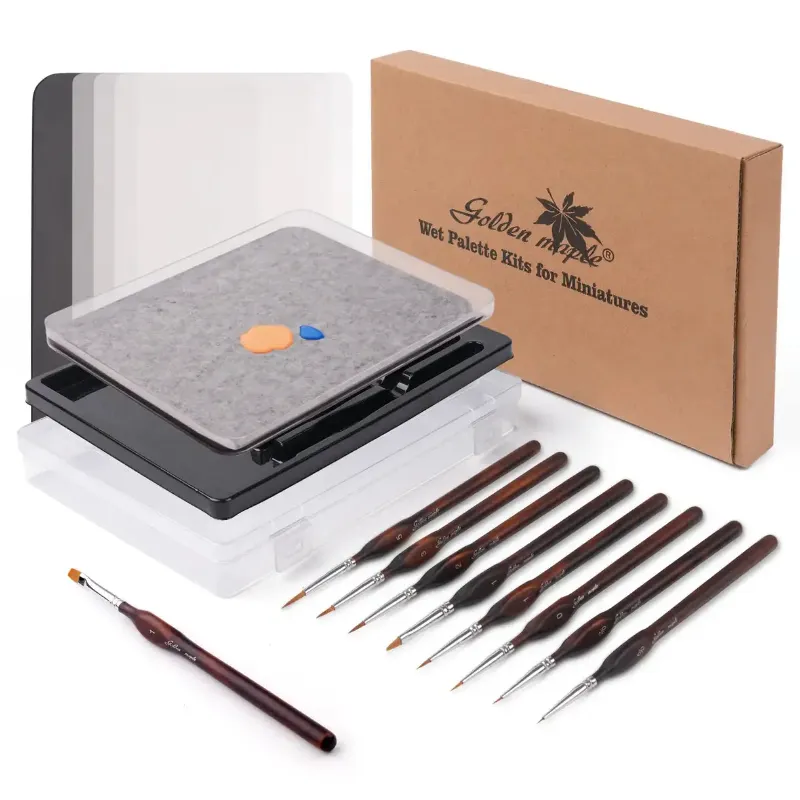
A wet palette keeps acrylic paint workable for 1 to 2 weeks under typical studio conditions, though some painters report even longer with careful maintenance. The hydration system prevents paint from drying on the palette surface, giving you days or weeks to work with the same mixed colors instead of the minutes you'd get on a dry palette.
We've tested dedicated models like the wet palette alongside DIY setups to see what actually affects paint longevity. The answer depends on your membrane quality, water level, seal integrity, and storage habits.
What Affects How Long Paint Stays Wet
The lifespan of paint on your palette isn't a fixed number. Several factors determine whether your colors stay fresh for three days or three weeks:
- Membrane quality – Parchment paper or specialty hydration membranes control water flow differently; thicker commercial membranes often extend life
- Seal tightness – A loose lid allows evaporation and invites contamination, cutting usable time in half
- Water reservoir depth – Too little water dries out quickly; too much can oversaturate and dilute paint
- Ambient humidity – Dry climates accelerate evaporation even in sealed palettes
- Paint type and additives – Flow improvers, retarders, and metallics behave differently from standard acrylics
- Maintenance routine – Daily misting and weekly sponge changes prevent mold and keep hydration consistent
We recommend checking water levels every 2 to 3 days and refreshing the sponge weekly for best results. Check current pricing and our discount code to compare commercial options against DIY materials.
Best Wet Palette Options for Extended Paint Life
Not all wet palettes deliver the same longevity. Here's how popular choices stack up for keeping paint workable:
| Palette Type | Typical Paint Life | Best For |
|---|---|---|
| Commercial sealed palette | 7-14 days | Miniature painters, daily hobbyists |
| DIY tupperware setup | 3-7 days | Beginners, budget-conscious artists |
| Travel/portable palette | 3-5 days | Plein air, convention painting |
Commercial sealed palettes from brands discussed on wet palette Reddit threads and Warhammer forums consistently outperform homemade versions because of precision-engineered membranes and airtight seals. The Redgrass wet palette and Exemplar wet palette are frequently cited for their 10-plus-day performance, though you'll find comparable models on wet palette Amazon listings and occasionally at wet palette Hobby Lobby.
DIY wet palette setups using a shallow food container, paper towels, and parchment paper cost under five dollars but require more frequent water top-ups. Expect 3 to 7 days of workable paint, which is still far better than a dry palette. The trade-off is convenience versus longevity.
If you're painting miniatures with a kolinsky sable brush or doing fine detail work with tools from a miniature tool kit, the extra days of workable paint justify the investment in a quality palette.
How to Maximize Paint Longevity on Your Wet Palette
Simple habits extend paint life from days to weeks. We've compiled the techniques that make the biggest difference:
- Pre-soak your sponge and membrane – Let both saturate for 10 minutes before loading paint; this prevents dry spots that cause premature crusting
- Use distilled water – Tap water minerals encourage bacterial growth and shorten membrane lifespan
- Keep the lid sealed – Open only when adding or mixing paint; every minute of exposure costs you hydration
- Store in a cool spot – Heat accelerates evaporation and can warp cheaper membranes
- Mist lightly between sessions – A quick spray over the membrane (not directly on paint) rehydrates without flooding
- Replace the membrane weekly – Even with care, paper membranes degrade; swap them out to avoid mold and staining
For painters working with airbrush paint thinner or airbrush thinner alongside acrylics, note that thinned paint on a wet palette may separate or over-hydrate faster than unthinned colors. Use a slightly drier setup or refresh more frequently.
Grab our discount code for 10% off palette supplies and see what combination works best for your workflow.
Signs Your Wet Palette Paint Is No Longer Usable
Even with perfect maintenance, paint eventually reaches the end of its workable life. Watch for these indicators:
- Film or skin on the surface – A thin layer means the membrane dried out or the seal failed
- Mold spots – Black, green, or white growth signals contamination; discard affected paint immediately
- - Color separation – Pigment settling into a watery ring means the membrane oversaturated the paint
- Foul odor – Acrylic should smell faintly of plastic or nothing; any sour or musty smell means bacterial growth
- Texture change – Gritty, stringy, or slimy consistency indicates the paint has broken down
When paint crosses these thresholds, no amount of mixing will restore it. Scrape the palette, wash the sponge, replace the membrane, and start fresh. Most painters find this happens every 7 to 14 days with regular use, though occasional hobby painters may stretch a single load for three weeks if stored properly.
Wet Palette Care for Different Painting Styles
Your painting frequency and medium affect how you should manage your palette:
Daily miniature and model painters benefit most from a commercial wet palette with a reliable seal. You'll work from the same paint pools for a week or more, which saves time and ensures color consistency across multi-day projects. Pair it with precision craft knives for cleanup and a plinth base or plinthy plinths for display work.
Weekend hobbyists can get away with a wet palette DIY setup or a mid-tier sealed model. Since you're opening the palette only once or twice a week, evaporation is less of an issue, and you may see 10 to 14 days of usable paint with minimal effort.
Watercolor artists generally don't need a wet palette since watercolors reactivate with water, but if you're blending acrylics and watercolors, consider keeping a small wet palette for the acrylics and a separate travel watercolor kit or watercolor travel kit for your water-based pigments.
Plein air and travel painters should look for compact, spill-proof designs. Paint life drops to 3 to 5 days in portable setups because seals are less robust, but that's still enough for a weekend trip or convention event. Pair with a chinese brush for versatile mark-making.
When to Refresh or Replace Wet Palette Components
Even the best wet palette loses effectiveness over time. Replace components on this schedule to maintain peak paint longevity:
- Membrane/parchment paper – Every 5 to 7 days, or immediately if you see mold or staining
- Sponge – Every 2 to 4 weeks, or when it no longer holds water evenly
- Water reservoir – Dump and refill every 3 to 5 days to prevent bacterial buildup
- Entire palette – Clean thoroughly every month; replace if seals crack or warp
We keep spare membranes and a backup sponge on hand so a mid-project refresh doesn't interrupt painting. Visit our Golden Maple discount code page to stock up on replacement supplies and save on your next order.
With proper care, your wet palette will keep paint workable for weeks at a time, cutting waste and giving you the freedom to return to a project whenever inspiration strikes.
Frequently asked questions
How long does paint last on a wet palette?
Acrylic paint typically stays workable on a wet palette for 1 to 2 weeks with proper maintenance. Commercial sealed palettes often extend this to 10 to 14 days, while DIY setups usually deliver 3 to 7 days depending on seal quality and ambient humidity.
Can I leave my wet palette sealed for weeks without using it?
Yes, a sealed wet palette can sit unused for 2 to 3 weeks if stored in a cool spot with adequate water. Check for mold before resuming; if the sponge or membrane smells musty or shows discoloration, replace them and start fresh.
Why does my paint dry out on a wet palette overnight?
Overnight drying usually means the membrane dried out, the water reservoir is empty, or the lid isn't sealing properly. Check that your sponge is fully saturated, the membrane has no dry spots, and the lid clicks or seals tightly. Misting the membrane before closing can also help.
What type of paper works best for a DIY wet palette?
Parchment paper (not wax paper) is the standard choice for DIY wet palettes because it allows controlled hydration without disintegrating. Specialized wet palette membranes last longer and perform more consistently, but parchment works well for budget setups if replaced every 5 to 7 days.
Do I need to use distilled water in my wet palette?
Distilled water is recommended because tap water minerals and chlorine promote bacterial growth and can shorten membrane life. If you only have tap water, boiling and cooling it first reduces some contaminants, though distilled remains the safest option for long paint life.
How often should I change the sponge in my wet palette?
Replace the sponge every 2 to 4 weeks, or sooner if it develops an odor, mold, or uneven saturation. Rinsing the sponge between uses extends its life, but eventually it will degrade and lose its ability to hold water evenly.