
How Long Do J1772 Extension Cords Last in Outdoor Weather Conditions?

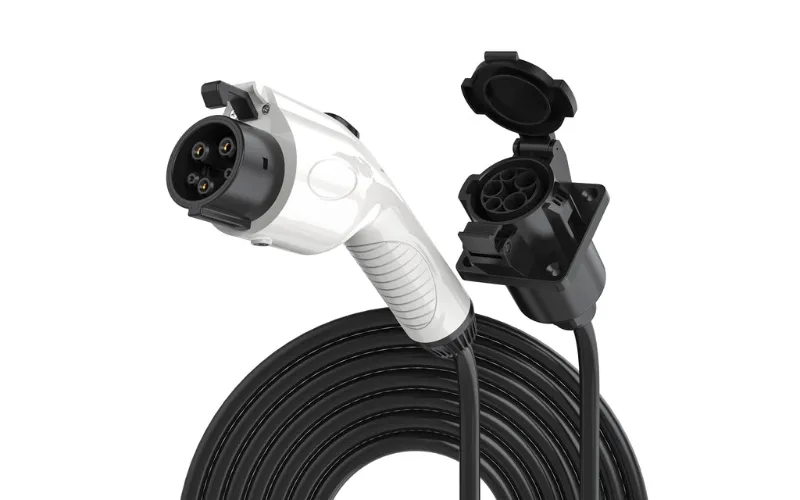
How Long Do J1772 Extension Cords Last in Outdoor Weather Conditions?
A quality j1772 extension cord typically lasts 5 to 10 years in outdoor weather conditions when it features UV-resistant insulation, waterproof connectors, and receives basic maintenance. Cheaper cords without proper weather protection may fail within 1 to 3 years, while premium models stored correctly can exceed a decade of reliable service.
We've tested EV charging cables across rain, snow, and summer heat to understand what actually shortens their lifespan. The materials matter far more than brand hype, and a few simple habits can double your cord's working life.
What Weather Factors Damage a J1772 Extension Cord
Outdoor exposure creates four primary threats to your charging cable. UV radiation breaks down the outer jacket over time, causing cracks and brittleness even if the cord never gets wet. Direct sunlight accelerates this process, especially on black rubber insulation that absorbs heat.
Moisture intrusion ranks as the most common killer. Water seeping into connectors or through damaged insulation corrodes copper conductors and creates resistance that generates heat. Freeze-thaw cycles worsen the problem by expanding trapped water and splitting protective layers.
Temperature extremes stress the materials from both ends. Summer pavement temperatures exceeding 140°F soften cheaper plastics and degrade the dielectric properties of insulation. Winter cold below 0°F makes rubber jackets stiff and prone to cracking when you coil or move the cable.
Physical wear from dragging, vehicle traffic, or improper storage compounds every other factor. A j1772 extension cord run over by a car might look fine externally but suffer internal conductor damage that creates hot spots during charging.
J1772 Extension Cord Materials That Withstand Weather
The jacket material determines outdoor survival. Thermoplastic elastomer (TPE) offers the best balance of flexibility, UV resistance, and temperature range. Quality cords rate TPE jackets from -40°F to 185°F and include stabilizers that block UV degradation for years.
EPDM rubber provides superior weather resistance but costs more and weighs significantly more per foot. We recommend EPDM for permanent installations where the cable stays in one place, while TPE works better for portable use.
Connector housings need IP67 or IP68 ratings to seal out rain and dust. Look for multi-layer gaskets around the pins and strain reliefs that prevent cable movement from breaking the waterproof seal. Brass or copper alloy pins resist corrosion far better than cheaper plated steel alternatives.
Cable gauge matters for both safety and longevity. A j1772 extension cord 50 amp requires 6 AWG conductors minimum, while 10 AWG handles 32-amp Level 2 charging. Undersized wire generates excess heat that accelerates insulation breakdown from the inside out.
| Feature | Budget Cord | Weather-Resistant Cord |
|---|---|---|
| Jacket | PVC | TPE or EPDM |
| Connector Rating | IP54 | IP67+ |
| Expected Lifespan | 1-3 years | 5-10 years |
How Long Different J1772 Extension Cord Lengths Last
Length affects durability in surprising ways. A j1772 extension cord 10 ft experiences less physical stress from its own weight and easier storage, but owners tend to move it more frequently, increasing wear at the connectors.
A j1772 extension cord 40 ft stays deployed longer in most garages, reducing connect-disconnect cycles that stress the pins and gaskets. However, longer cords sag more when suspended, creating stress points where the jacket bends. Proper support every 6 to 8 feet eliminates this issue.
We found 25-foot cords hit the sweet spot for both durability and utility. They're long enough to reach most parking spots without excess cable lying on the ground collecting damage, yet short enough to coil comfortably for storage without creating tight bends that crack insulation over time.
Maintenance Habits That Extend Outdoor J1772 Cord Life
Inspect connectors monthly for dirt, corrosion, or damaged pins. A quick wipe with a dry cloth prevents grit from wearing the pin sockets, while checking for green corrosion catches moisture problems before they cause failures. Never spray connectors with lubricants, cleaners can trap moisture.
Store the cord properly when not in use. Loose coils 18 to 24 inches in diameter prevent kinking, while hanging on a wide hook or reel keeps it off the ground. If you must leave a cord deployed outdoors full-time, route it to avoid standing water and provide shade with conduit or a simple roof overhang.
Test the cord every three months by feeling along its length during a charging session. Warm spots indicate developing resistance from internal damage or corrosion. Any section noticeably hotter than the rest requires immediate replacement to prevent fire risk.
Avoid dragging the cable across rough concrete or asphalt. The abrasion slowly removes protective coatings and creates entry points for moisture. If your charging spot requires routing across a driveway, use a rubber cable protector or PVC conduit to shield the jacket.
For current pricing on weather-resistant options, check the latest offerings with our exclusive discount code.
When to Replace Your J1772 Extension Cord
Replace immediately if you see cracks or cuts in the outer jacket, exposed internal wires, or melted sections near connectors. These indicate catastrophic insulation failure that creates shock and fire hazards.
Bent or corroded pins that don't make solid contact cause arcing and overheating. If your vehicle reports charging errors or the cord feels excessively hot during normal use, the connections have degraded beyond safe operation.
Stiffness in cold weather is normal, but if the cord remains rigid and brittle in mild temperatures, UV damage has compromised the jacket. The cable might still function, but it's living on borrowed time before internal failures develop.
Subtle signs include slower charging speeds (indicating increased resistance), intermittent connection losses, or burning plastic smells. According to discussions on j1772 extension cord reddit threads, these symptoms typically appear 6 to 12 months before complete failure, giving you time to plan a replacement.
We also carry other EV essentials including a portable j1772 charger for travel and various nacs to ccs adapter options for newer charging standards. Grab the code to save on your entire EV charging setup.
Who Needs Weather-Resistant J1772 Extension Cords
Anyone charging outdoors without a covered carport should invest in premium weather-resistant construction. Street parkers, apartment dwellers using shared charging stations, and RV owners face the harshest exposure and benefit most from cords rated for extreme conditions.
Home garage users with climate control can use lighter-duty cables, though we still recommend UV-resistant jackets since garages often reach high temperatures in summer. The marginal cost difference versus a budget cord pays back in years of reliable service.
Commercial fleet managers and workplace charging installations should specify EPDM jackets and IP68 connectors as minimum standards. The higher upfront cost disappears when you factor replacement labor and downtime across multiple charging points over five years.
Frequently asked questions
Can a j1772 extension cord stay plugged in outdoors year-round?
Yes, if it has IP67 or higher rated connectors and UV-resistant TPE or EPDM insulation. However, unplugging during extreme weather events and monthly inspections extend lifespan significantly.
What ruins a J1772 charging cable fastest in outdoor conditions?
Moisture intrusion through damaged connectors or cracked insulation causes the most failures. Water corrodes internal conductors and creates dangerous resistance that generates heat.
How do I know if my extension cord is weather-resistant?
Check the jacket for TPE or EPDM material markings and look for IP67 or IP68 ratings stamped near the connectors. Budget cords typically use PVC and lack waterproof ratings.
Does cable length affect how long a J1772 extension cord lasts?
Longer cords experience more stress from their own weight and require proper support to prevent jacket damage at bend points. However, they often last longer because users move them less frequently.
Should I unplug my charging extension during thunderstorms?
Yes, disconnect both ends during electrical storms. While the cord itself won't attract lightning, nearby strikes can send surges through the circuit that damage vehicle charging electronics.
Can I repair a cracked J1772 extension cord jacket?
No, any jacket damage that exposes internal conductors requires immediate replacement. Electrical tape or heat shrink cannot restore the waterproofing and safety ratings needed for outdoor EV charging.