
Rexing V1P Flex vs V1P SE: Key Differences and Which Dash Cam to Buy

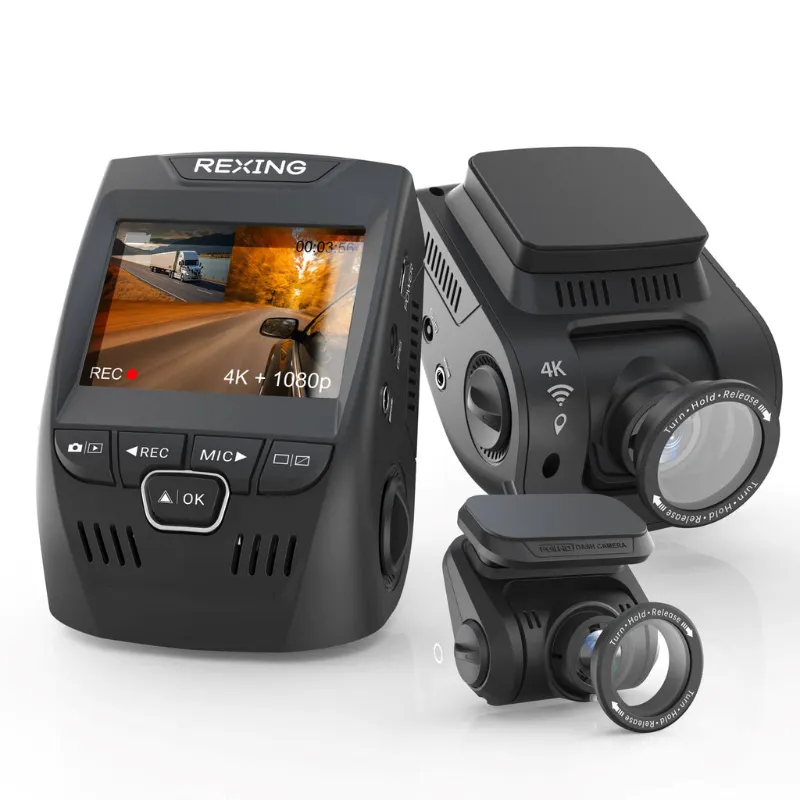
The rexing v1p flex vs v1p se debate comes down to one feature: the Flex uses a flexible suction mount that you can reposition easily, while the SE sticks with a traditional adhesive mount and costs less. Both record 1080p front and rear video, but your choice depends on whether you need the freedom to move your rexing dash cam between vehicles or prefer a permanent, budget-friendly setup.
We tested both models to help you decide which fits your driving habits, installation preferences, and wallet.
How the Rexing V1P Flex vs V1P SE Differ in Mounting
The V1P Flex ships with a flexible gooseneck suction mount that attaches to your windshield and lets you adjust the camera angle in any direction. You can remove and reinstall it in seconds, making it ideal for rental cars, ride-share drivers, or households with multiple vehicles. The suction cup holds firmly even in heat, and the V1P Flex X4 manual confirms the mount supports rotation and tilt without tools.
The V1P SE uses a standard adhesive mount with a ball joint. Once you peel the 3M backing and press it to your windshield, it stays put. The adhesive bond is strong, which means a cleaner look and zero wobble, but you lose the flexibility to swap vehicles. If you need to remove it, expect residue and possibly a ruined mount pad.
Quick mount comparison:
| Feature | V1P Flex | V1P SE |
|---|---|---|
| Mount type | Suction + gooseneck | Adhesive + ball joint |
| Repositionable | Yes, unlimited | No, permanent adhesive |
| Multi-car use | Easy | Impractical |
For drivers who want one dash cam for multiple cars, grab the code and go with the Flex.
Video Quality and Recording Features
Both models record 1080p Full HD from the front camera and 720p from the rear. Image sensors, frame rates, and low-light performance are identical. You get a 170-degree front view, loop recording, G-sensor impact detection, and parking mode when hardwired. Neither offers 4K, so if you want sharper detail for license plates at distance, consider a 4k mirror dash cam instead.
The Rexing comparison chart page confirms that the V1P Flex and V1P SE share the same chipset and lens assembly. In our side-by-side footage review, daytime clarity was nearly indistinguishable, and both handled glare reasonably well. Night video showed moderate noise in unlit areas, typical for budget dual-channel cams.
Storage works the same way: both accept microSD cards up to 256 GB and overwrite the oldest clips automatically. Neither includes a card in the box, so budget for a high-endurance Class 10 or UHS-1 card separately.
Installation and Cable Management
The V1P Flex's suction mount simplifies initial setup. Stick it on, plug in the 12V adapter, run the rear camera cable along your headliner, and you're recording in under ten minutes. The downside: the suction cup and gooseneck add bulk, which can obstruct your field of view if you have a short windshield or sit close to the glass.
The V1P SE's adhesive mount sits flush and compact. Once installed, it blends into the windshield and won't creep into your sight line. Cable routing is the same for both models—about 20 feet of rear cable—but the SE's low profile makes the whole system feel more integrated. If you plan to hardwire for parking mode, both units use the same wiring harness, so installation difficulty is equal.
For a cleaner permanent look, the SE wins. For flexibility and speed, the Flex is unmatched.
Price and Value: Which Dash Cam Fits Your Budget
The V1P SE typically costs less than the Flex, reflecting the simpler mount hardware. Exact pricing fluctuates, so check the latest price to compare current deals. Both models go on sale during Black Friday and holiday events, and our exclusive discount code saves you 10% sitewide.
If you only drive one car and plan to leave the dash cam installed year-round, the SE delivers the same recording quality for fewer dollars. The Flex's premium comes entirely from the repositionable mount, which adds convenience but zero improvement to video or features.
Who should pay extra for the Flex:
- Ride-share or delivery drivers switching between vehicles daily
- Households sharing one dash cam across two or three cars
- Renters who travel frequently and want dashcam protection on the road
Who should save with the SE:
- Single-car owners who want a set-it-and-forget-it system
- Drivers prioritizing a low-profile installation
- Budget buyers who don't need multi-vehicle flexibility
Community feedback on the Rexing V1P SE review thread highlights reliability and value as top reasons buyers chose the SE over pricier alternatives.
Setup Tips for Both Models
No matter which you choose, follow these steps for a clean, stable installation:
- Clean your windshield with isopropyl alcohol before attaching any mount, suction or adhesive.
- Position the camera behind your rearview mirror to minimize obstruction and stay within wiper coverage.
- Route cables under the headliner trim using a plastic pry tool, never force them into tight gaps.
- For the Flex, press the suction lever firmly and check the seal every few weeks in extreme heat.
- For the SE, let the adhesive cure for 24 hours before adjusting angles or driving aggressively.
- Format your microSD card in the camera menu before first use to prevent file corruption.
Both units support loop recording in 1, 3, or 5-minute segments. We recommend 3-minute clips for the best balance between file size and incident coverage.
Final Recommendation: Flex or SE?
Choose the rexing v1p flex vs v1p se based on how you'll use it. The Flex justifies its higher price only if you genuinely need to move the camera between cars. Its suction mount is reliable and fast, but it adds size and doesn't improve the footage. The SE gives you the same video quality, parking mode, and rear-camera coverage in a slimmer package for less money.
For most drivers, the SE is the smarter buy. It installs cleaner, costs less, and performs identically on the road. If you're a gig driver, frequent renter, or multi-car household, the Flex's flexibility pays off quickly. Either way, visit our discount page to save 10% and get free shipping on your order.
Both models prove that you don't need to spend flagship money to get reliable dual-channel protection—you just need to pick the mount that matches your driving life.
Frequently asked questions
Can I use the V1P Flex mount on the V1P SE camera body?
No, the Flex and SE use different mount attachment points. The cameras are not cross-compatible with each other's mounting hardware, so you cannot swap mounts between models.
Does the rexing v1p flex vs v1p se comparison show any video quality difference?
No. Both models use identical image sensors, lenses, and processors, so front and rear video quality is the same. The only difference is the mounting system.
Will the suction mount on the Flex fall off in hot weather?
The Flex suction mount is designed to handle high cabin temperatures and stays secure in testing up to 140°F. Check the seal every few weeks during summer, and clean the windshield and cup if you notice any loss of suction.
Do both models include a memory card?
No, neither the V1P Flex nor the V1P SE includes a microSD card. You need to purchase a high-endurance card separately, up to 256 GB capacity.
Can I hardwire both dash cams for parking mode?
Yes, both the Flex and SE support hardwiring with the same optional kit. Hardwiring enables parking mode surveillance when your ignition is off, and installation steps are identical for both models.
Which model is better for a ride-share driver?
The V1P Flex is better for ride-share or gig drivers because its suction mount lets you move the camera between vehicles in seconds. The SE's adhesive mount makes multi-car use impractical.